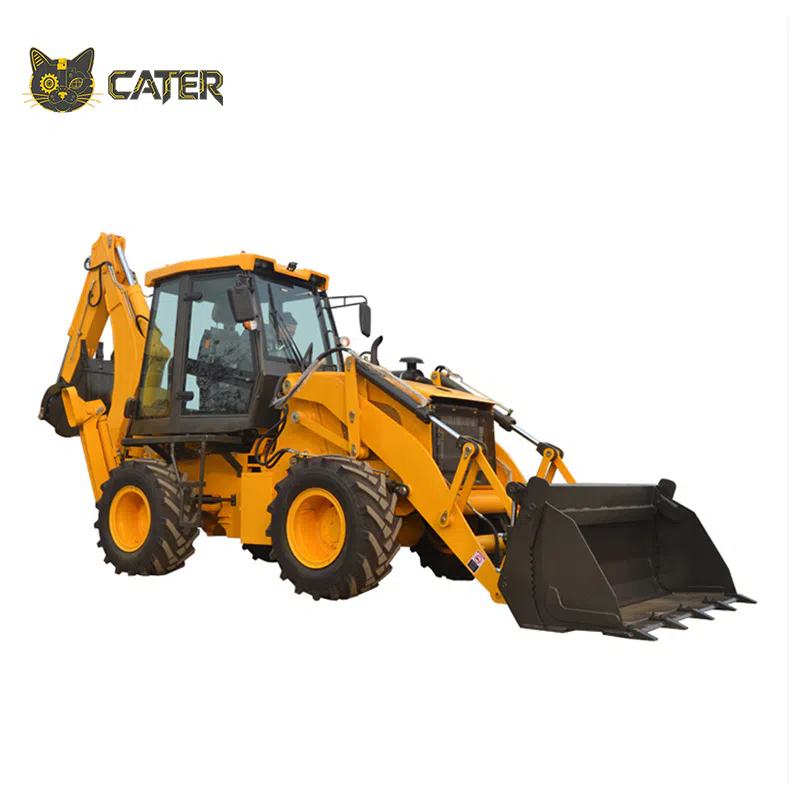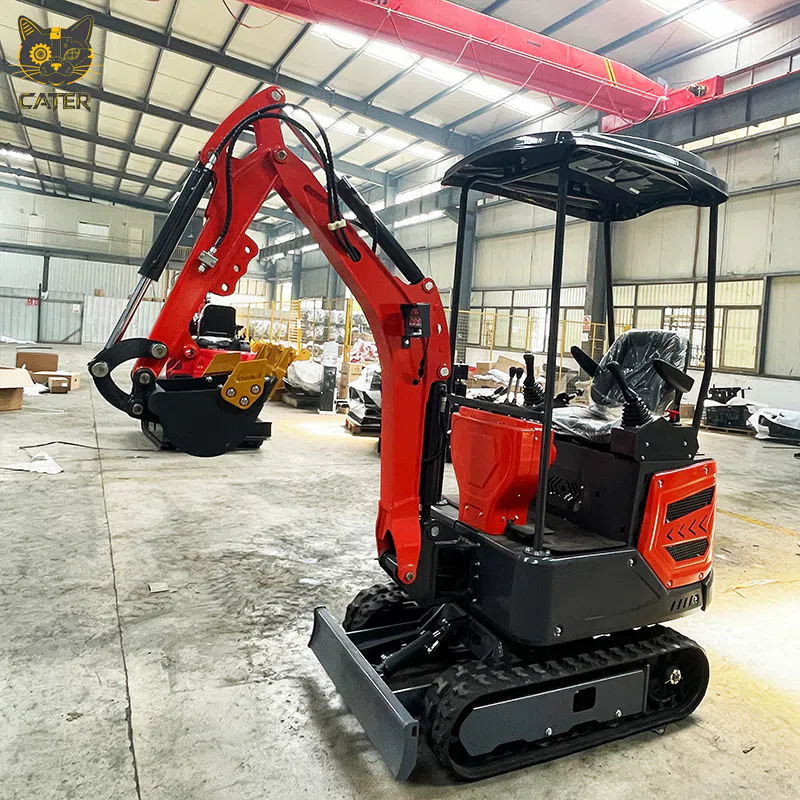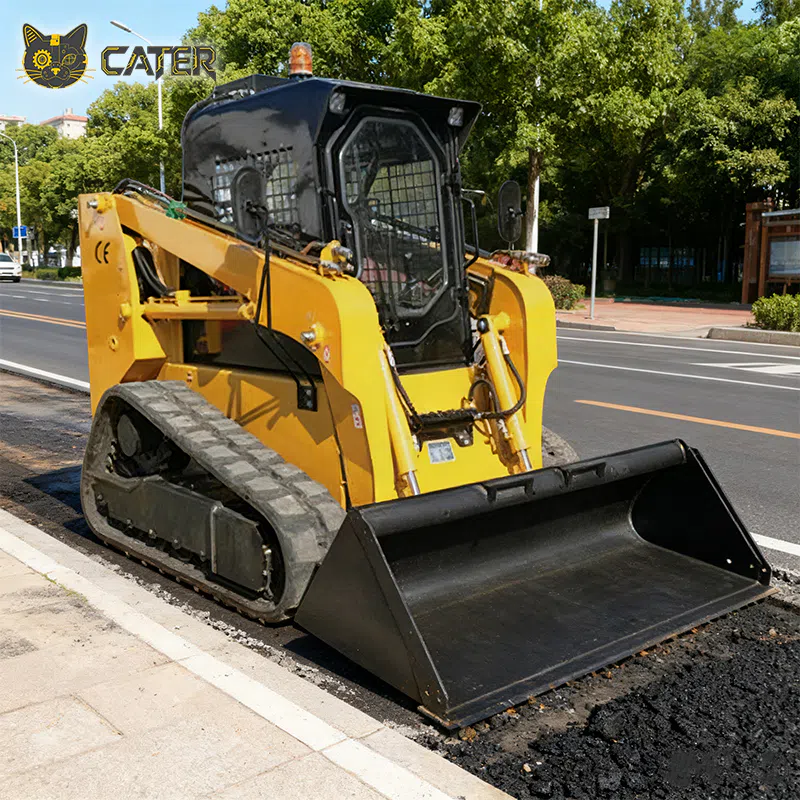
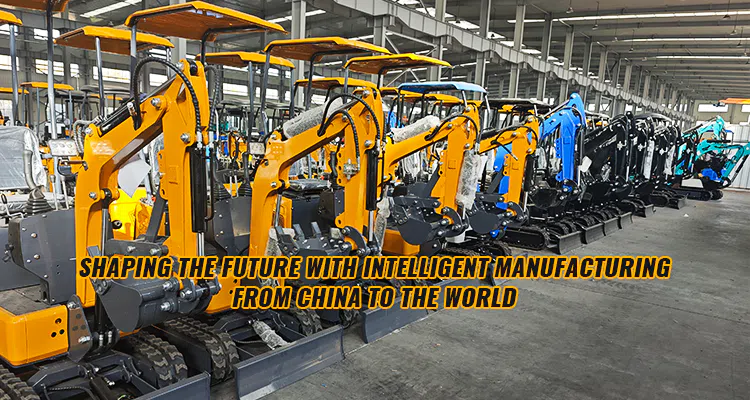
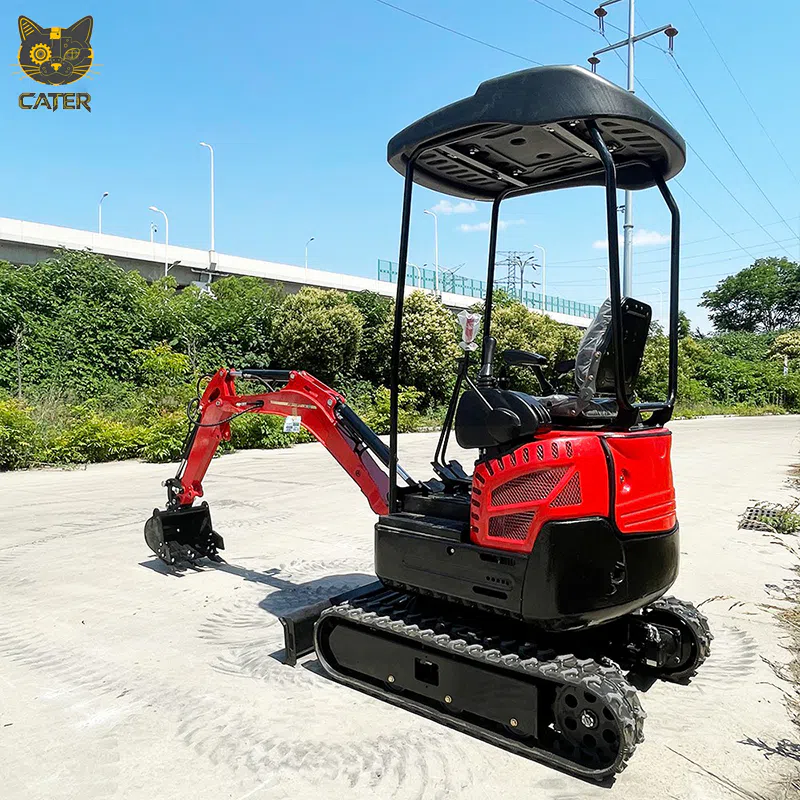
Walk onto any jobsite in 2026 and the most visible change is not a new skyscraper — it is the size of the machines doing the work. Compact excavators, skid steer loaders, and mini loaders now handle jobs that once required full-size iron: utility trenching between traffic lanes, drainage in narrow residential streets, landscaping around finished buildings, and material handling inside warehouses. The numbers confirm what the equipment yards show. According to Future Market Insights' global compact construction equipment analysis published in May 2026, mini excavators alone are expected to account for 38.0% of compact equipment product-type revenue this year, driven by trenching and small excavation work across tight urban sites.
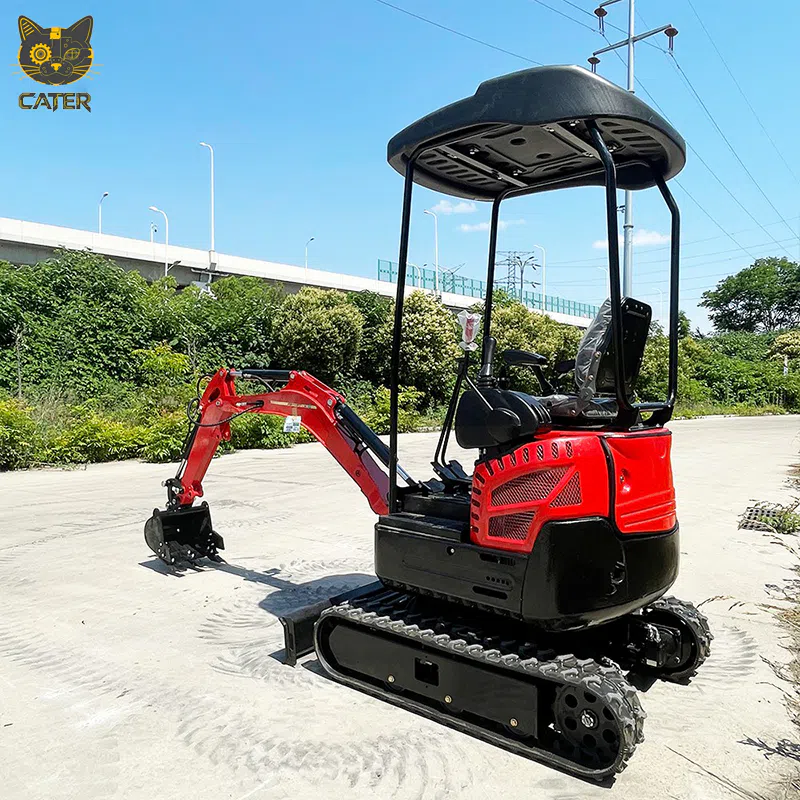
For buyers, dealers, and importers planning purchases over the next 12 to 24 months, three forces deserve attention: where the growth is coming from, how quickly electrification is really arriving, and whether diesel-powered machines still make sense as the market shifts. This article looks at each with current data, and closes with the practical questions every buyer should ask before placing an order.
Why the Compact Segment Keeps Outgrowing the Rest of the Market
The long-term story behind compact equipment is demographic, not fashionable. Cities are denser, renovation work is replacing new construction in mature markets, and labor shortages push contractors toward machines that one operator can run profitably. Compact machines answer all three pressures: they fit where full-size equipment cannot, they replace manual labor at a fraction of the cost of a big machine, and they move between jobs on a standard trailer.
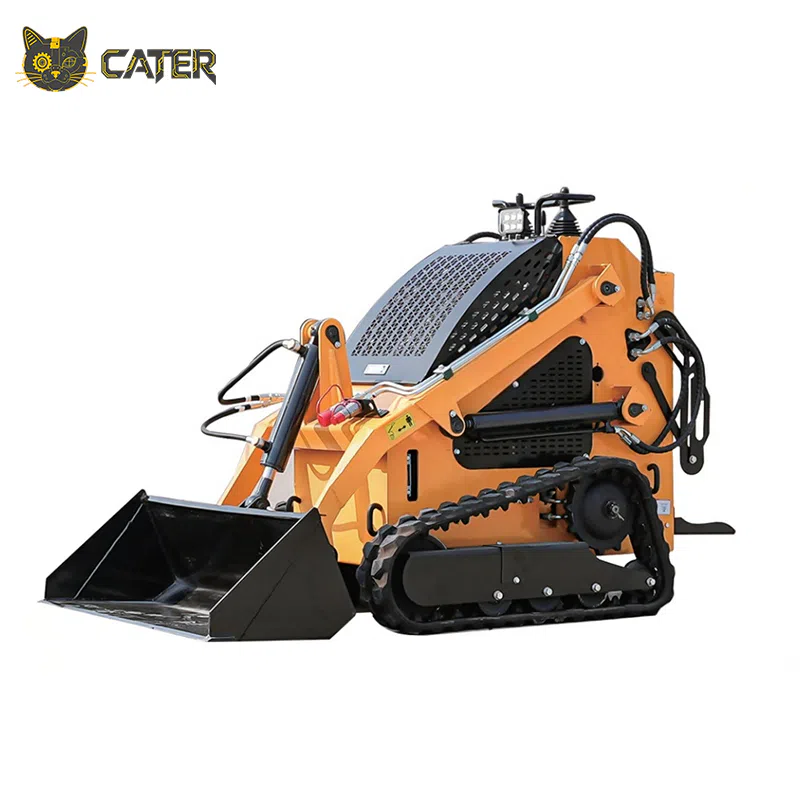
The growth is also visible inside China, the world's largest manufacturing base for this equipment. A 2026 white paper on compact construction machinery development trends in China, published in March 2026, projects domestic mini excavator sales of more than 110,000 units for the year, up roughly 20% year on year, driven by urban renewal, pipeline renovation, and rural infrastructure programs. That production base matters to international buyers: when Chinese factories run at scale, export pricing and lead times stay competitive, and component quality continues to rise.
For importers, the takeaway is straightforward — demand for compact machines is not a short-term spike. Dealers who carry compact excavators, skid steer loaders, and compact track loaders are positioned in the fastest-growing slice of the equipment market.
Electrification Has Arrived — But in Phases, Not All at Once
No trend is discussed more in 2026 than electrification, and the market forecasts justify the attention. MarketsandMarkets projects the global electric construction equipment market will grow from USD 3.81 billion in 2026 to USD 13.81 billion by 2033, a CAGR of 20.2%. Other analysts using broader definitions see an even larger base growing at a similar pace — Global Market Insights, for example, estimated the electric construction equipment market at USD 15.8 billion in 2025 with a projected CAGR above 20% through 2035. Whatever the exact baseline, the direction is unanimous: electric machines are the fastest-growing segment in the industry.
The launch calendar confirms that manufacturers are treating electrification as a mainstream line, not a research project. At CONEXPO-CON/AGG 2026, New Holland Construction presented its next generation of mini excavators and electric-powered machines, joining the growing list of OEMs bringing battery-powered compact equipment to market.
But the honest picture is more measured than the headlines. Electrification is landing first where its advantages are highest and its constraints lowest: indoor demolition, underground and tunnel work, municipal sites with noise limits, and regions with strong incentives and reliable charging. On those jobs, an electric mini excavator eliminates exhaust, cuts noise dramatically, and lowers daily energy cost.
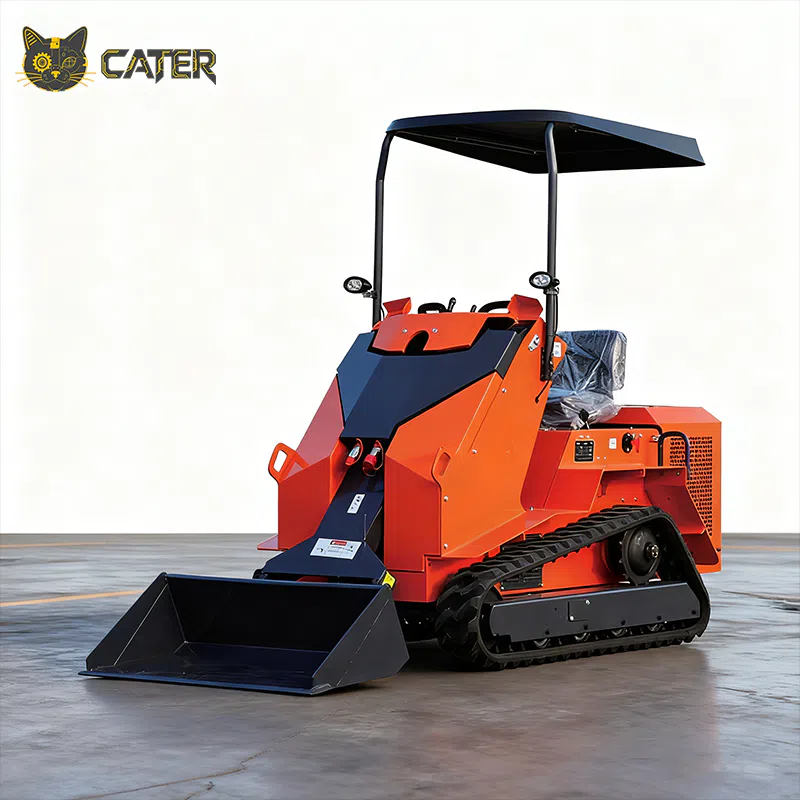
Diesel Still Does the Heavy Lifting in Most Export Markets
For the majority of buyers outside a handful of early-adopter markets, the decision in 2026 is still between diesel machines from different suppliers, not between diesel and electric. The reasons are practical. Export destinations often lack the charging infrastructure an electric machine needs on remote or rural sites; battery machines carry a significant price premium that is hard to justify without high utilization; and cross-border shipping of lithium batteries raises logistics and documentation questions that diesel machines simply do not have. On top of that, electric models remain scarce in the size classes and configurations most importers actually order.
That does not mean diesel is standing still. Engine makers and manufacturers continue to improve fuel efficiency and emissions compliance to meet regional standards such as EU Stage V and US EPA requirements, and buyers today can source machines that meet the strictest export market rules. For the next purchasing cycle, the realistic strategy for most contractors and dealers is still a diesel machine selected for its application — while keeping an eye on how electric options mature in their market before the next purchase.
The power-source choice is also reshaping the second-hand market, which every buyer should watch. Diesel compact equipment benefits from a deep, liquid used market built over decades — rental companies and contractors know exactly what a five-year-old skid steer loader or mini excavator is worth, which keeps resale values predictable and makes diesel machines easier to finance. Electric models, by contrast, are too young to have an established used-price curve, and early battery degradation questions remain unanswered at scale. For a buyer who expects to trade machines every few years, that liquidity difference is a real part of the cost calculation, and it is one more reason why most importers and rental fleets continue to favor diesel for this cycle.
What This Means for Buyers Planning 2026 and 2027 Purchases
Buy for the job, not the trend.
An electric machine only pays off where utilization is high, charging is available, and local rules favor it. On typical mixed-site work in most regions, a compliant, well-built diesel machine remains the lower-risk investment. Ask yourself where the machine will work, not what the industry headlines say.
Check the real cost of ownership.
Compare fuel or energy cost, maintenance intervals, parts availability, and expected resale value over five years. For compact equipment, the difference between two suppliers is often bigger than the difference between diesel and electric — quality control, component brands, and after-sales support decide most of the lifetime cost.
Verify compliance documents before you order.
If you import, confirm the machine's engine emission standard and documentation match your destination market's requirements. A machine that cannot be registered or cleared at the port is not a bargain at any price.
Frequently Asked Questions
Q1: When is the right time to buy an electric mini excavator?
Electric mini excavators make sense today for operators with predictable daily hours, access to charging, and work in indoor, underground, or noise-sensitive sites where zero exhaust is a real advantage. For general mixed-site work, most buyers will still find diesel machines the practical choice for this purchasing cycle, with electric options worth revisiting as models, range, and charging infrastructure improve.
Q2: Will diesel compact machines be phased out?
Not in the foreseeable future. Electrification is growing fast, but diesel remains the dominant power source for exported compact equipment because of infrastructure limits, price, and logistics. What is changing is efficiency and emissions compliance — buyers should simply make sure their diesel machine meets the emission standard required in their market.
Q3: How big is the compact construction equipment market in 2026?
Market research firms differ on definitions, but the direction is consistent. Future Market Insights' 2026 analysis shows mini excavators accounting for roughly 38% of compact equipment product-type revenue, and China's 2026 industry white paper projects domestic mini excavator sales above 110,000 units, up about 20% year on year. Global electric construction equipment, meanwhile, is projected to grow at around 20% annually over the next decade from a 2026 base of roughly USD 3.8 billion (MarketsandMarkets).
Q4: Should dealers expand their compact equipment inventory?
Demand signals say yes. Compact excavators, skid steer loaders, and compact track loaders sit in the fastest-growing part of the equipment market, driven by urban work, renovation, and labor substitution. Dealers should match inventory to local ground conditions and applications — the same logic that decides wheels versus tracks for end users — and prioritize suppliers with genuine factory capacity and reliable parts support.
Q5: Do electric compact machines hold their resale value?
Not enough data exists yet to say, which is itself the answer. Diesel machines have a decades-old used market with predictable pricing, so owners can plan trade-in cycles and financing around them. Electric models are still young, their used-price curve is unproven, and battery condition will inevitably dominate resale discussions for years to come. Buyers who plan to hold machines for five years or more should weigh this uncertainty, while those who value the lowest possible daily running cost in high-utilization urban work may still justify the electric premium.
An Exporter's Perspective
CATER manufactures compact excavators, skid steer loaders, and agricultural machinery in Xuzhou, Jiangsu Province, and exports to markets around the world. From our side of the industry, the 2026 picture is clear: compact equipment demand keeps climbing, diesel machines continue to serve the majority of export buyers with improving efficiency and compliance, and electrification is a transition we track closely as markets mature. Our job is to keep supplying machines that meet each market's regulations and each buyer's applications — and to be honest about which machine makes sense for which job.
If your team is planning a compact equipment purchase or dealership expansion, we welcome the conversation. Tell us your applications and destination market, and we will share our read on the right machine and configuration — with the data to back it up.