Ask any equipment dealer which machine sells itself, and the skid steer loader family is usually near the top of the list. Walk a farm, a municipal yard, or a small construction site in almost any country and you will see one loading, sweeping, digging, or clearing snow within a single shift. But here is the question most first-time buyers get wrong: the biggest decision is not horsepower, brand, or even price — it is the undercarriage. Wheels or tracks? That single choice decides what the machine is good at for the next ten years, and it costs far less to make the right call before you sign than to discover the mistake after the first muddy season.
This guide compares the two main versions of the compact loader — the wheeled skid steer loader and the compact track loader — across the factors that actually affect daily work: ground conditions, travel speed, maintenance cost, attachments, and resale. It comes from a manufacturer that builds both, so the advice has no reason to favor one side. The goal is simple: help you match the machine to the ground you work on, and to the jobs that pay your invoices.
Step 1 — Start by Understanding the Two Brothers
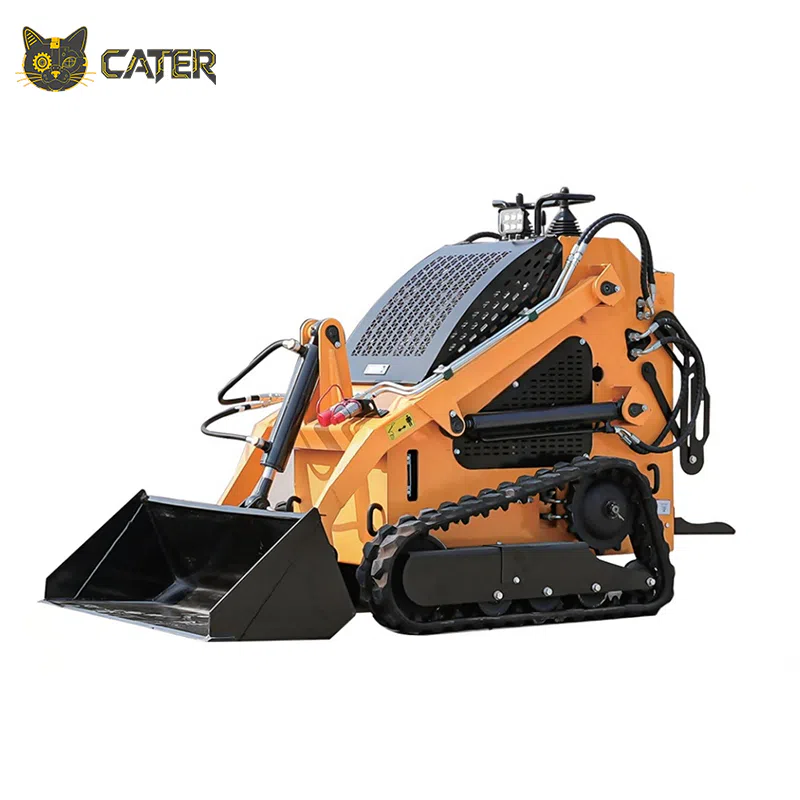
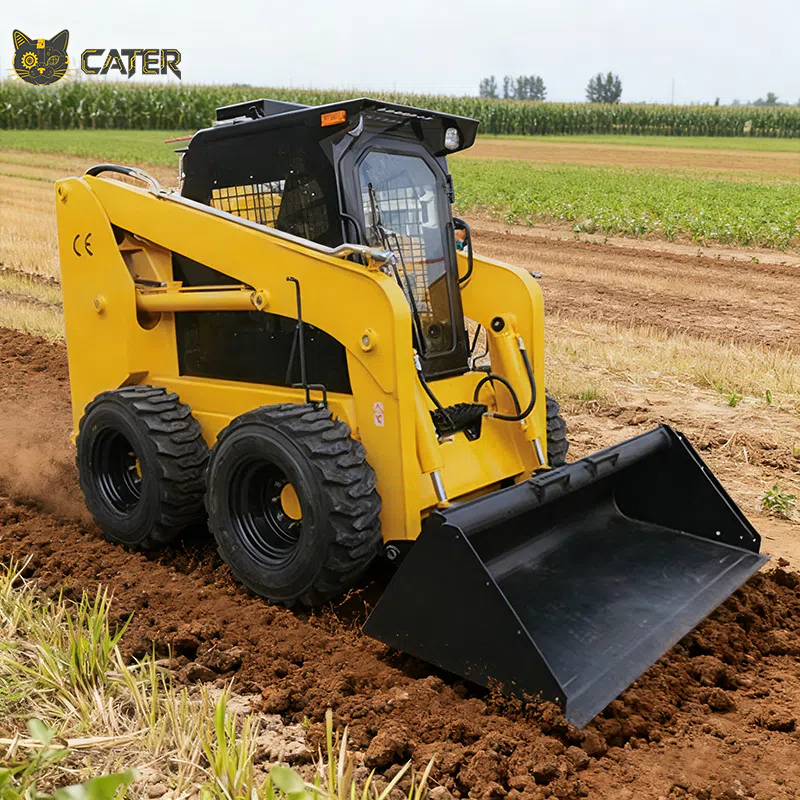
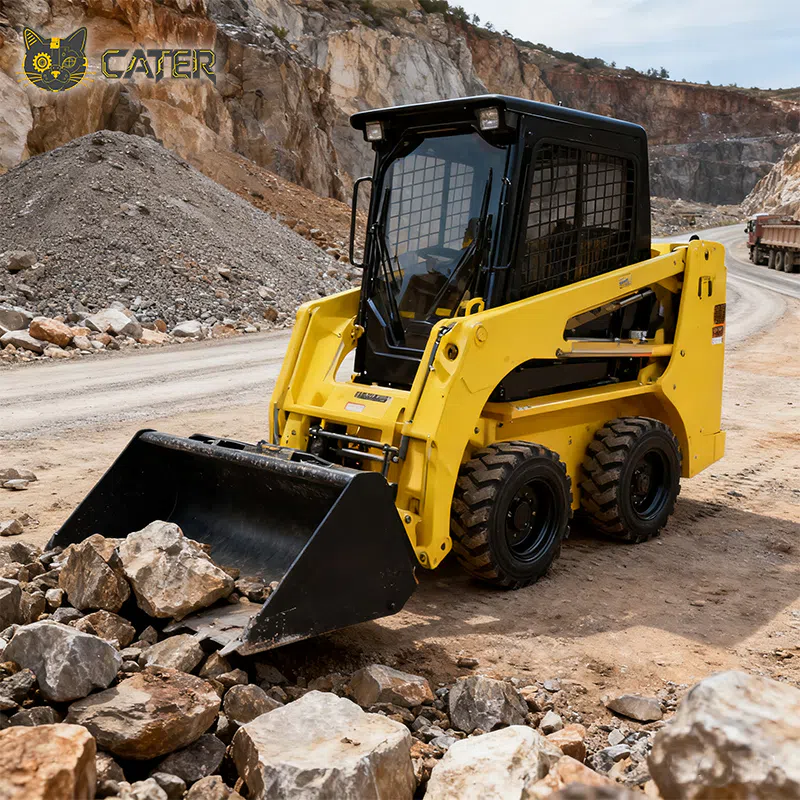
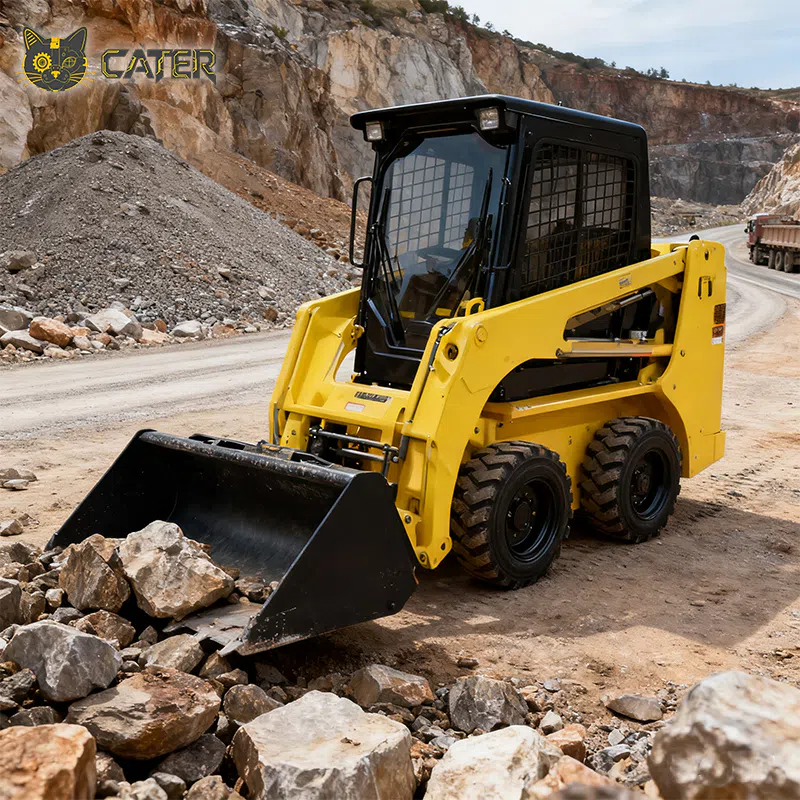
Both machines share the same general layout: a rigid frame, lift arms at the front, a quick-attach system for buckets and tools, and steering by skidding one side against the other. The difference sits underneath. A wheeled skid steer loader runs on four tires and skids to turn, which is why it is quick and nimble on hard, level ground. A compact track loader — often called a tracked skid steer loader — replaces the wheels with two continuous rubber tracks, spreading the machine's weight over a much larger footprint.
That one change in the undercarriage explains almost every other difference between the two machines, so the rest of this guide is really about reading your jobsite conditions and matching them to the right running gear.
Step 2 — Match the Undercarriage to the Ground You Work On
Start by listing the surfaces your machine will spend most of its hours on, because the undercarriage is the first thing that rewards or punishes you there.
Wheeled skid steer loaders own hard surfaces.
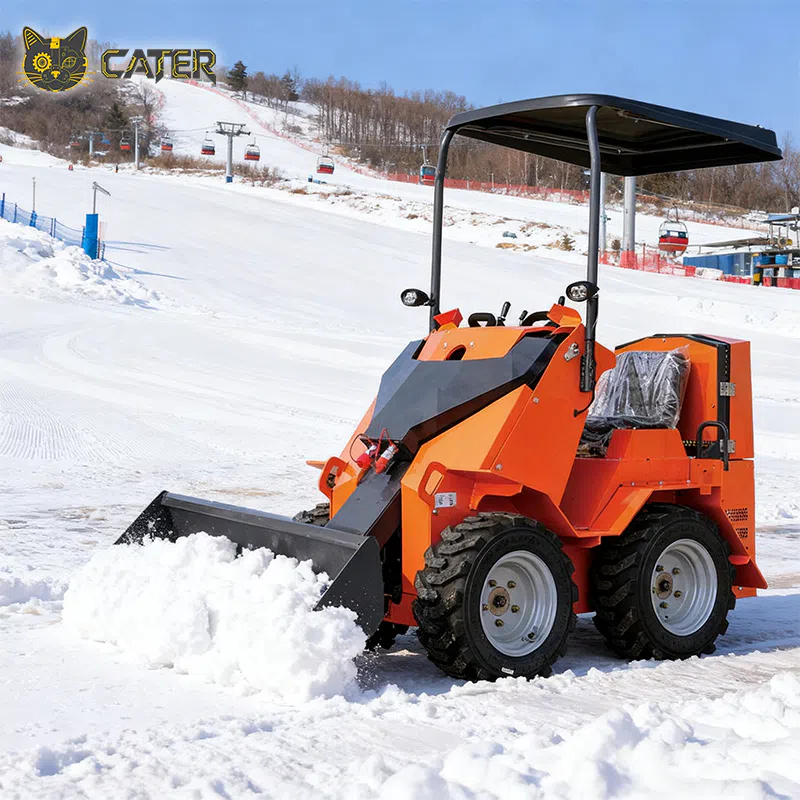
Concrete, asphalt, packed gravel, warehouse floors, and paved yards are tire territory. On firm ground a wheeled machine travels faster, turns more sharply, and costs less per hour to operate. Contractors doing site cleanup, material handling on concrete slabs, municipal sweeping, and snow removal on paved lots usually end up with a wheeled skid steer loader, and for good reason — it gets the same work done in less time at lower running cost.
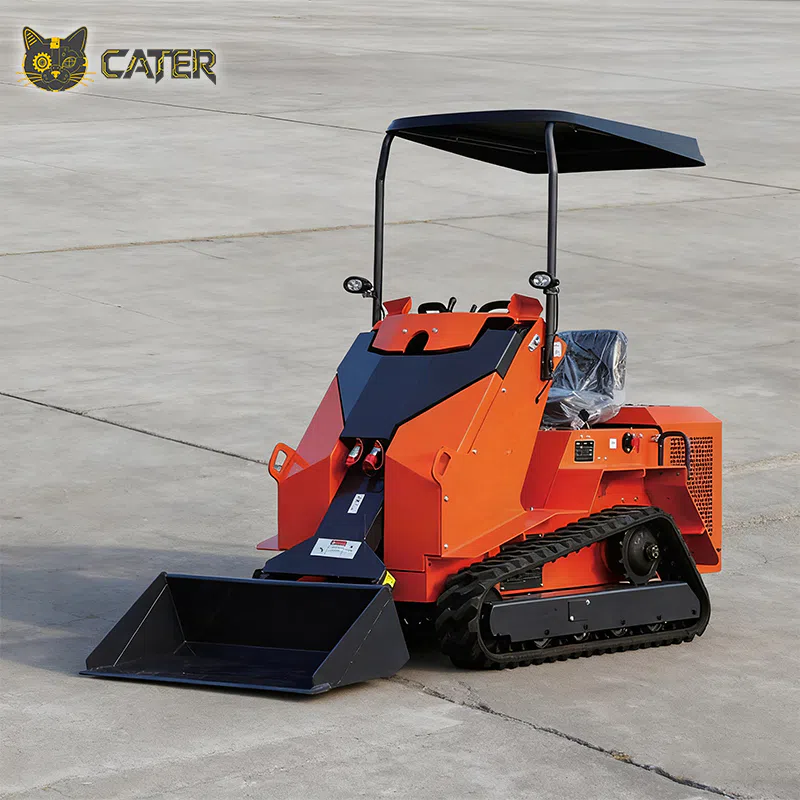
Compact track loaders own soft and uneven ground.
Mud, loose soil, sand, wet grass, and snow are where tracks earn their keep. A rubber-tracked machine presses down with far less ground pressure per square inch, so it stays on top of ground where a tired machine would sink and spin. That traction translates directly into work: pushing material, grading, and climbing slopes that would defeat wheels. Track loaders also leave softer ground in better condition, which is why landscapers and contractors working on finished lawns or soft sites prefer them.
If your work mixes both worlds — say, half the year on pavement and half on soft ground — weigh the premium for tracks against how much productivity you lose on the days you need them. For many buyers the honest answer is that the machine must handle the worst ground it will see, not the best.
Step 3 — Put a Real Number on Ownership Cost
Purchase price tells only part of the story, so build a five-year cost picture before comparing machines. According to industry maintenance comparisons published in 2026, a wheeled skid steer loader typically costs 40–60 percent less to buy than an equivalent compact track loader, and its tires are far cheaper to replace than a set of rubber tracks. For a machine that spends its life on hard surfaces, that gap is hard to argue with.
The track loader answers back on soft ground, where it stays productive longer and spares you the downtime of getting stuck. Tracks do wear, however, and track replacement is a significant expense that arrives sooner when the machine works on abrasive surfaces like gravel or demolition debris. Factor in expected track life, replacement cost, and the labor to change them, then compare that against tire wear on your actual ground. Most owners find the answer follows the ground: hard surfaces favor wheels, soft or abrasive conditions justify tracks.
Step 4 — Remember That Attachments Are Where a Loader Earns Its Keep
Whichever undercarriage you choose, a compact loader is only as useful as the tools you can hang on its front. The quick-attach system is the heart of the machine — with it, one chassis switches between a bucket, pallet forks, a sweeper broom, an auger, a snow blade, and dozens of other tools in minutes. A skid steer loader is not one machine; it is a fleet that happens to share one engine.
For farmers, the attachment question often decides the sale. An agricultural skid steer loader equipped with forks moves hay bales and pallets in the morning, a bucket cleans livestock pens by noon, and an auger digs post holes in the afternoon. For contractors, the same machine clears lots, loads trucks, and sweeps streets between jobs. When you compare quotes, ask which attachment plate standard the machine uses, what attachments are available in your market, and whether the auxiliary hydraulics have enough flow to run the tools you need.
Step 5 — Size and Operating Position Matter More Than You Think
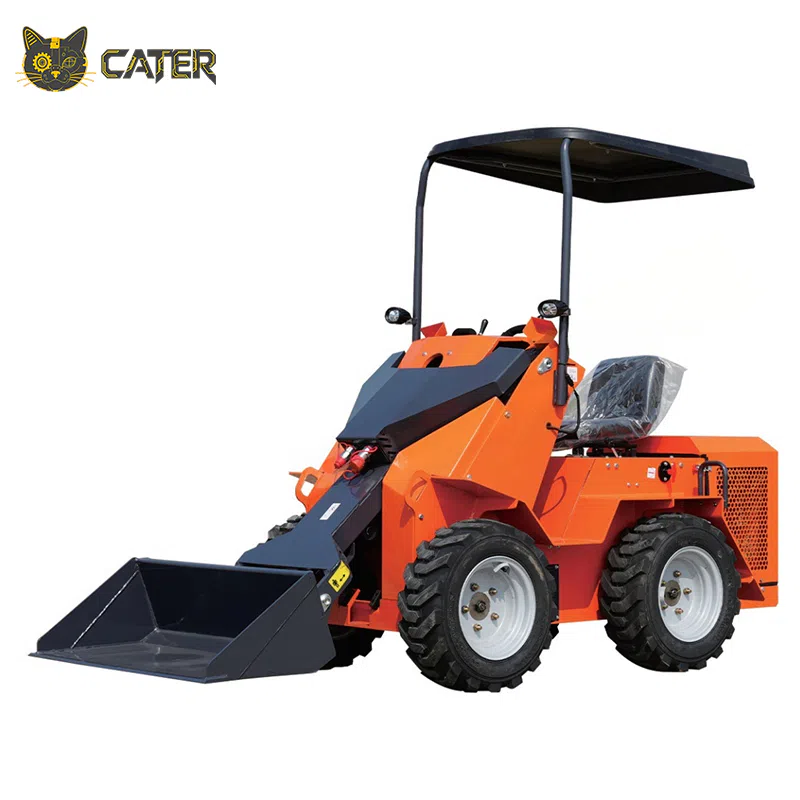
Compact loaders come in a wide range, from walk-behind and stand-on mini skid steer loaders that fit through a standard doorway, to full-size cab machines that handle a day of heavy loading. Match the size to your transport and access, not to the biggest bucket in the catalog.
A mini skid steer loader shines where space is the constraint: indoor demolition, greenhouses, tight urban sites, and jobs where the machine must ride on a small trailer. Full-size machines return the investment when the workload is steady and heavy. Also decide whether your operators will sit or stand. Sitting machines are standard for long shifts and rough ground; stand-on machines speed up entry and exit on jobs with constant repositioning, which is why snow removal crews and landscapers often favor them.
Step 6 — Buy the Undercarriage, Then Vet the Supplier
Once the undercarriage question is settled, the buying process is familiar: confirm the factory is real, check the quality-control process, and lock down parts and after-sales support before you pay. When you buy a compact loader for export, also confirm the attachment standard, the engine service network in your country, and how quickly wearing parts can reach you. A loader that sits waiting for a hose is a loader that costs money every day it is parked.
Frequently Asked Questions
Q1: Which is better, a wheeled skid steer or a compact track loader?
Neither is better overall — each wins on different ground. A wheeled skid steer loader is faster, cheaper to buy and maintain, and the right choice for hard, level surfaces like concrete and asphalt. A compact track loader provides more traction and flotation, disturbs soft ground less, and works better in mud, snow, and loose soil. Choose based on the ground your jobs actually sit on.
Q2: How much more does a track loader cost than a skid steer loader?
Industry comparisons commonly show wheeled skid steer loaders costing 40–60 percent less than equivalent compact track loaders at purchase, with lower ongoing running costs on hard surfaces. The track loader's premium buys capability on soft ground that a wheeled machine cannot match. Compare total cost over five years on your typical ground, not purchase price alone.
Q3: Can I use a skid steer loader on grass without tearing it up?
A wheeled machine on dry, firm grass can do light work without major damage, but on wet or soft turf it will rut the surface. A compact track loader spreads the weight far better and is the standard choice for landscaping on finished lawns. If turf protection matters on every job, tracks are usually worth the premium.
Q4: Should I buy a skid steer loader or a mini excavator first?
For a small contractor building a fleet, most owners start with a skid steer loader because it loads, sweeps, digs lightly, and runs dozens of attachments — one machine covers more job types. A mini excavator digs deeper and more precisely where excavation is the core work. If you are starting from zero and your jobs are mixed, the loader is often the safer first purchase, with the excavator added when digging volume justifies it.
Why Buy Both Types from One Manufacturer
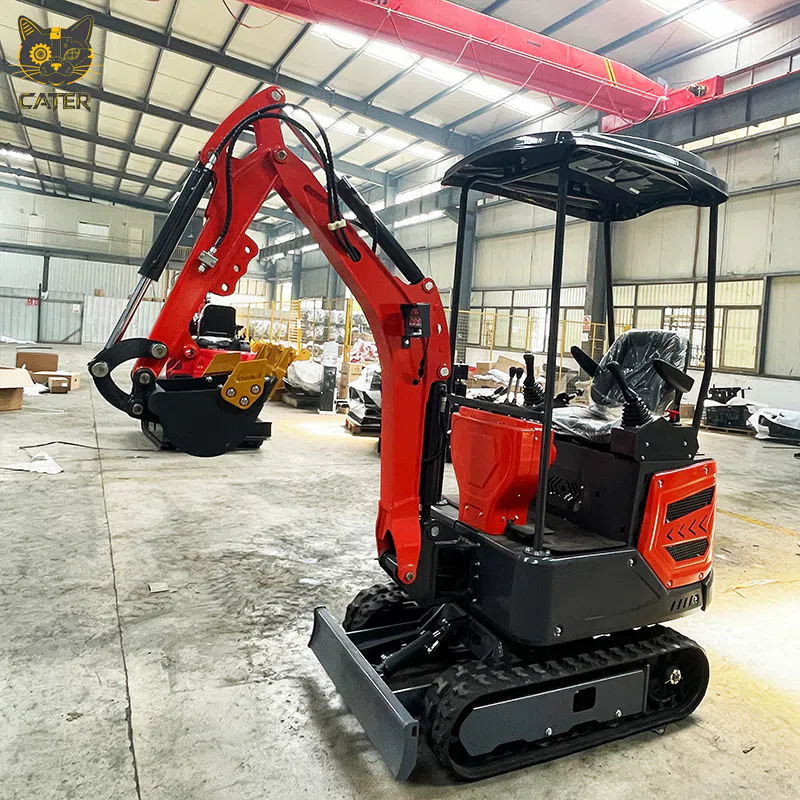
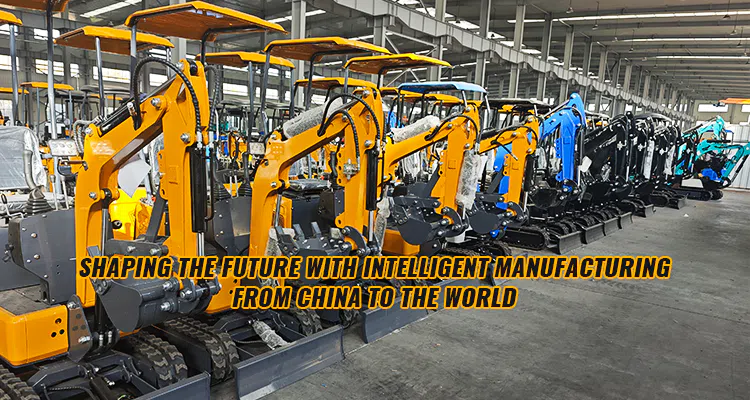
CATER builds both wheeled skid steer loaders and tracked skid steer loaders, from stand-on mini models to agricultural and construction versions, in the same Xuzhou workshop that produces our compact excavators. Because we manufacture both running gears, our sales engineers are happy to walk through your ground conditions and job mix and tell you honestly which undercarriage fits — even when the answer is the cheaper one. Every machine ships after a full commissioning test, with export documentation support and a wearing-parts stock for after-sales service.
If you are comparing skid steer loaders for sale, send us your typical applications, ground conditions, and destination port. We will come back with an undercarriage recommendation and a transparent landed-cost quote, not a brochure.