A compact loader can be physically small and still create a complicated rental handover. The machine, bucket, transport arrangements, customer instructions and service record must arrive together. If one item is missing, a short landscaping or maintenance booking can become a sequence of telephone calls instead of productive work. For rental businesses assessing mini loaders, equipment management deserves the same attention as the machine's working functions.
Recent rental-industry reporting gives that discussion a useful context. Revenue forecasts point toward continued growth, while connected-fleet services illustrate how operators are trying to manage equipment beyond the initial booking. Neither development proves that a particular mini loader will earn an attractive return. They do, however, provide a reason to evaluate the complete rental process: select an appropriate configuration, record its condition, support the customer and return it to service with a clear history.
Rental Growth Is Context, Not a Booking Forecast
In its August 13, 2026 economic update, the American Rental Association projected combined United States construction and industrial equipment and general tool rental revenue of USD 83.5 billion for 2026, an increase of 3.4 percent. Its forecast put subsequent growth at 4.4 percent in 2027 and 5.1 percent in 2028. These are forecasts for a broad rental industry, not sales or utilization figures for mini skid steer loaders.
The distinction changes how a dealer should use the information. Industry growth does not reveal whether local customers need a tracked mini loader, which attachments they will request, or how regularly they will book it. Those questions belong in the rental company's own enquiry records. A useful fleet proposal starts with the jobs customers cannot currently complete, the equipment they already hire and the reasons enquiries are lost.
A business serving gardens, property maintenance and small outdoor construction projects might review access restrictions, material-handling duties and transport arrangements across those enquiries. It should also record when a compact loader is not the appropriate answer. The result is a demand profile grounded in actual customers rather than an assumption that every growing equipment category deserves more stock.
Connected Fleets Show Why the Information Chain Matters
Monitoring has become a visible part of the rental offer. On its Connected Solutions page, Sunbelt Rentals says it collects data from more than 340,000 connected pieces of equipment and processes over 80 million sensor readings daily. The page describes equipment usage and health information, including location and utilization, feeding into fleet-management tools.
These are Sunbelt's statements about its own system, accessed on September 23, 2026; the page does not display a publication date. They are not specifications for CATER equipment and do not establish an integration between the two businesses. Their relevance is the operating pattern they illustrate: data is collected, reviewed by someone responsible for the fleet, and used to support a decision.
For a smaller rental business, copying the scale of a large platform is not the objective. The practical question is whether each available data field answers a real question. A recorded operating value is useful when staff understand what it measures. A status message helps only when someone knows how to respond. A dashboard that produces more information without a clear owner can add administration rather than remove it.
What to Establish Before Accepting a Monitoring Claim
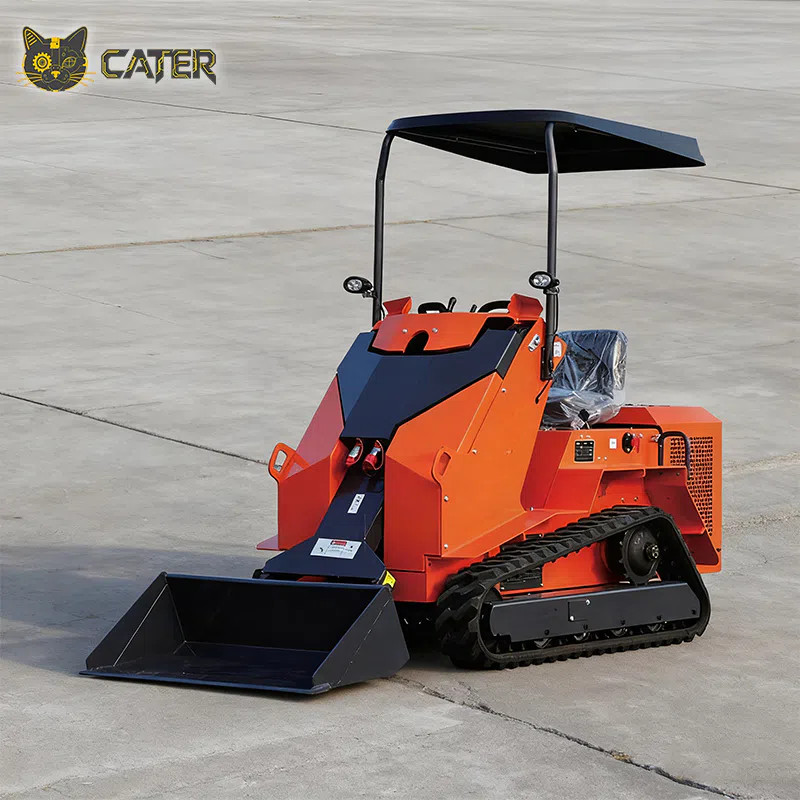
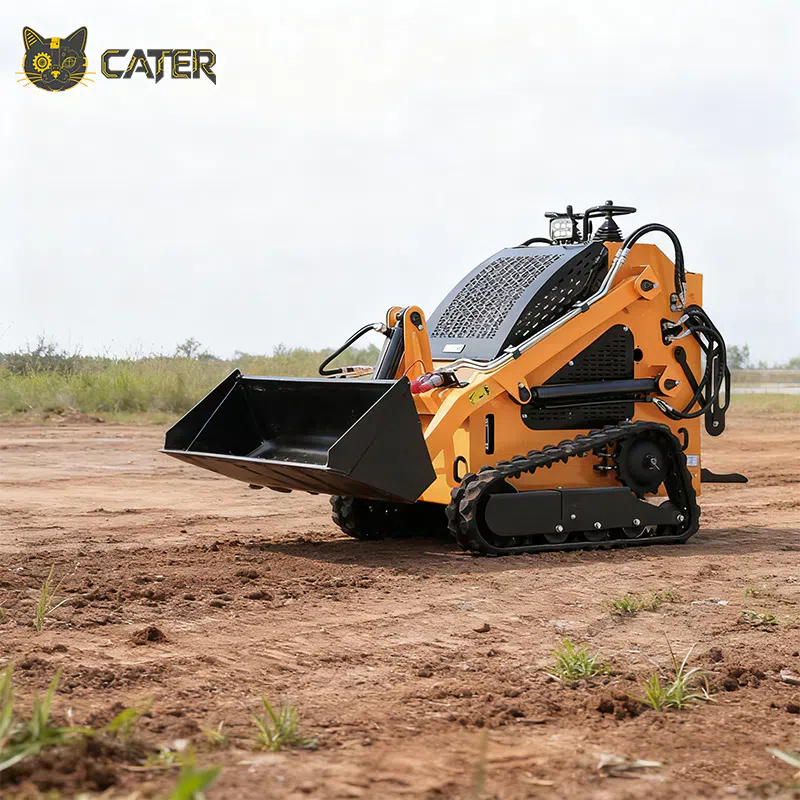
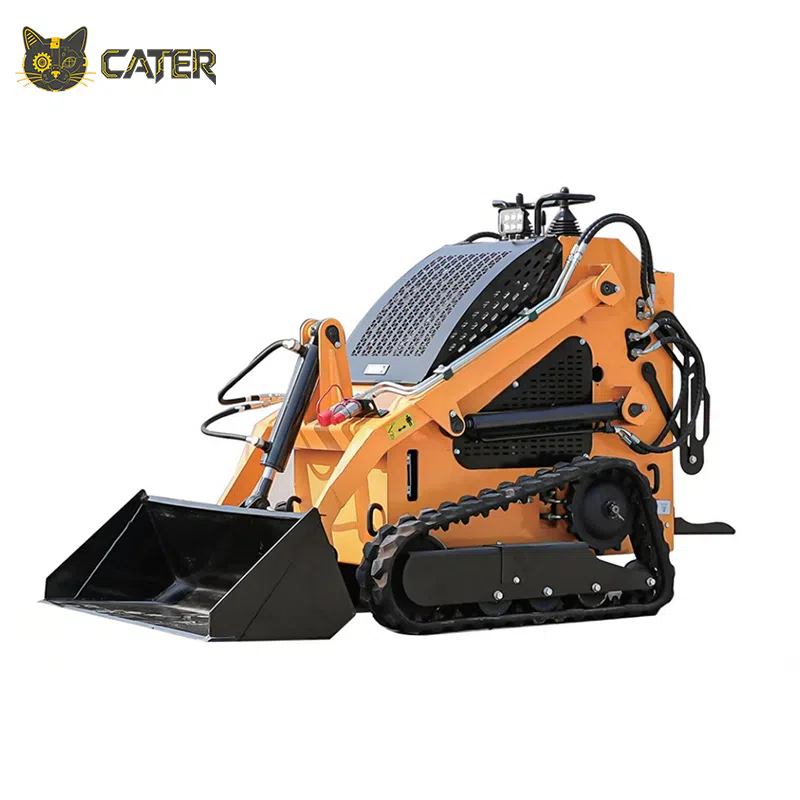
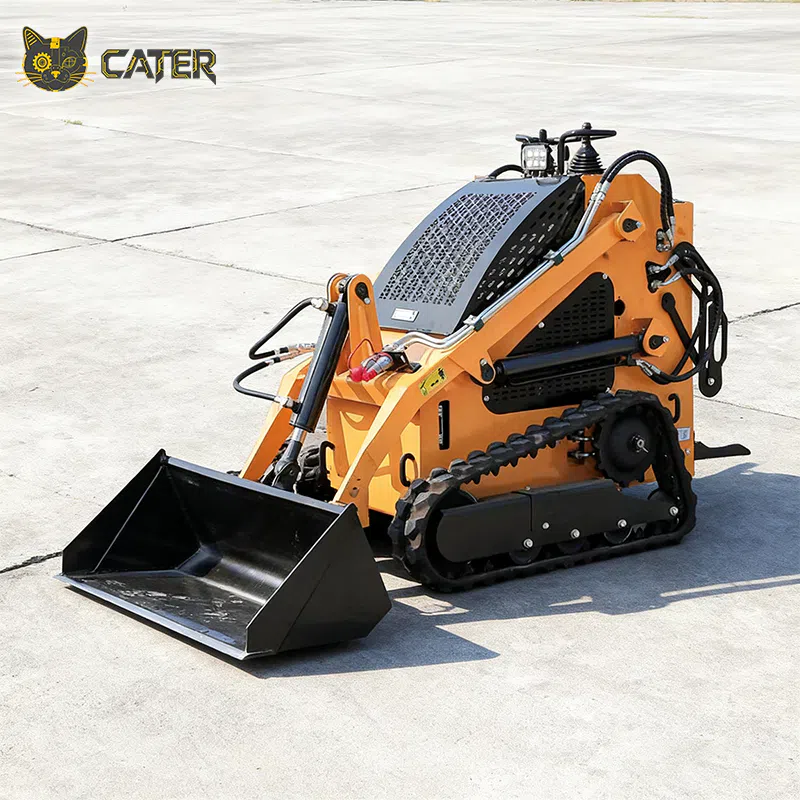
The CATER mini loader product reference describes remote monitoring for equipment operating information and maintenance planning. It does not provide a detailed sensor list, communications specification, named software platform or feature demonstration. The machine illustrations show a tracked configuration. For the proposed order, request a configuration sheet and demonstration that identify the actual machine and monitoring package; this article does not assume a specific model designation or fuel type.
Start with the record, not the sales label
Ask to see the fields that an operator or rental manager would receive. For each one, establish its source, update timing, units and interpretation. If operating hours are available, clarify what causes the counter to advance. If an alert is offered, ask which event triggers it and how staff acknowledge it. These are evaluation questions, not claims that the referenced machine already provides those functions.
Then consider a realistic interruption. What happens when the machine works outside network coverage? Can staff distinguish a stale reading from a current one? Who is responsible for restoring a connection? The supplier's answer should be understandable to the people who dispatch and maintain equipment, not only to the person who purchased the system.
Remote monitoring should also be distinguished from remote operation. Receiving equipment information does not mean that an operator can drive or control the loader from a phone. Do not include remote driving, automated intervention or theft recovery in a customer promise unless those functions are separately documented and appropriate for the supplied configuration.
Make the Outbound Handover a Complete Package
A rental booking should connect the machine to a defined job rather than stop at an equipment name. Record the intended material, loading point, access route, discharge area and any attachment requested. Photographs supplied by the customer can help identify questions for follow-up, but they do not replace site measurements or a suitable operating plan.
Before dispatch, link the booking to the particular unit and its agreed accessories. Record the condition of the bucket, tracks, guards, controls and visible connection points using the business's inspection procedure and the machine documentation. Identify which items are included and which are not. This prevents the customer and rental desk from relying on different assumptions about an attachment or tool seen in a brochure.
The handover should establish who can operate the machine, how the customer obtains the correct instructions and where questions should be directed. It should also explain which symptoms require work to stop and a service call, using the applicable manual rather than a generic internet checklist. Monitoring can support a conversation, but a person at the site still needs a clear route to assistance.
Separate Utilization from Availability and Condition
Fleet records are more useful when terms are defined consistently. A machine can be available for hire but not booked; booked but awaiting collection; on a customer's site but not working; or unavailable because it is being inspected. Combining all of these states into one utilization label hides the reason equipment is not earning revenue.
For internal planning, maintain separate records for booking duration, ready-for-hire time, maintenance holds and any operating information actually available. There is no need to present an unsupported industry benchmark as a target. Compare the business's own records across similar jobs and clearly defined periods instead.
When a customer reports that a loader was unsuitable, classify the reason. Was the route too narrow, the discharge point too high, the material different from the enquiry, or the requested attachment unavailable? These are commercially useful distinctions. They can lead to a better question at booking, a different fleet configuration or a decision not to accept a particular job.
Build Service Planning Around Documents and Observations
Monitoring does not create a maintenance schedule by itself. Use the instructions for the supplied machine and components to establish required service work. Where a system provides a relevant reading, it can support that schedule; where it does not, maintain a reliable manual record. A reminder is not evidence that the work has been completed.
A service entry should identify the machine, the work performed, the person responsible and any follow-up required. Parts descriptions should be specific enough to avoid ordering by appearance alone. This is particularly important when a rental fleet includes outwardly similar compact machines with different configurations.
The CATER page lists a machinery test report and outgoing inspection video among its supplied-document items. For a purchase, ask what those records cover and how they identify the delivered unit. For daily rental operations, continue maintaining the separate inspection and service history that develops after delivery. A factory record and a rental return inspection answer different questions.
Close the Booking Before Releasing the Machine Again
The return process is the point where job experience becomes useful fleet knowledge. Compare the returned accessories with the outgoing list, record visible condition and ask the customer whether the machine matched the intended work. Any defect requiring investigation should be transferred to a service hold rather than lost in a general comment field.
If monitoring data is available, use it alongside the customer's report and inspection findings. A gap in transmitted data is not automatically proof of misuse; an operating reading is not a complete account of what happened on site. Staff should be able to distinguish an observation from an interpretation before contacting the customer or approving the next booking.
A clear ready-for-hire decision closes the process. Record who released the machine and what remained outstanding. This gives the next dispatcher a practical answer instead of forcing them to interpret a collection of photographs, messages and alerts while a customer waits.
Test the Workflow Before Expanding the Fleet
A limited evaluation can reveal whether the proposed equipment and support package fit the business. Select jobs representative of the intended customer base and document what staff need to manage them. Review not only the loader's fit for the work, but also the completeness of instructions, accessory identification, service response and any monitoring records.
Include the commercial details of a monitoring package in that evaluation. Establish who administers accounts, what access a temporary customer receives, whether communications or software have separate charges, and how records can be retrieved when a contract ends. None of these terms should be inferred from the presence of the words remote monitoring on a product page.
The outcome should be a short list of demonstrated functions, unresolved questions and operating responsibilities. Expand only on the basis of what has been demonstrated for the supplied configuration and what local customer demand supports. Broad industry forecasts and large-platform examples can inform that decision, but cannot make it on the business's behalf.
Frequently Asked Questions
Does remote monitoring mean remote driving?
No. Monitoring concerns equipment information. Remote driving or control is a separate capability and should not be promised without specific documentation for the machine and system supplied.
Can broad rental-market growth justify buying more mini loaders?
Not on its own. ARA's figures cover a wider rental industry. Local enquiries, actual bookings, access requirements, attachment demand and service arrangements are the evidence needed for a mini-loader fleet decision.
Should electronic data replace the return inspection?
No. Use available data to support the physical inspection and customer conversation. Records, observations and manual instructions each provide information that another source may not capture.
What should accompany a request for a rental-oriented quotation?
Describe the intended jobs, expected booking pattern, operating region, attachment needs, transport arrangements and the monitoring functions you want demonstrated. Include the support and documentation your team needs to manage the unit between hires.
Discuss a Rental-Ready Configuration with CATER
If you are evaluating a compact tracked machine for landscaping, maintenance or small outdoor projects, begin with the jobs and the handover process your customers require. Share those requirements with info@caterequipment.com.cn, including any monitoring questions, so the discussion covers the equipment, documentation and support package together. The objective is a clearly specified machine and a manageable rental workflow, not a technology label alone.