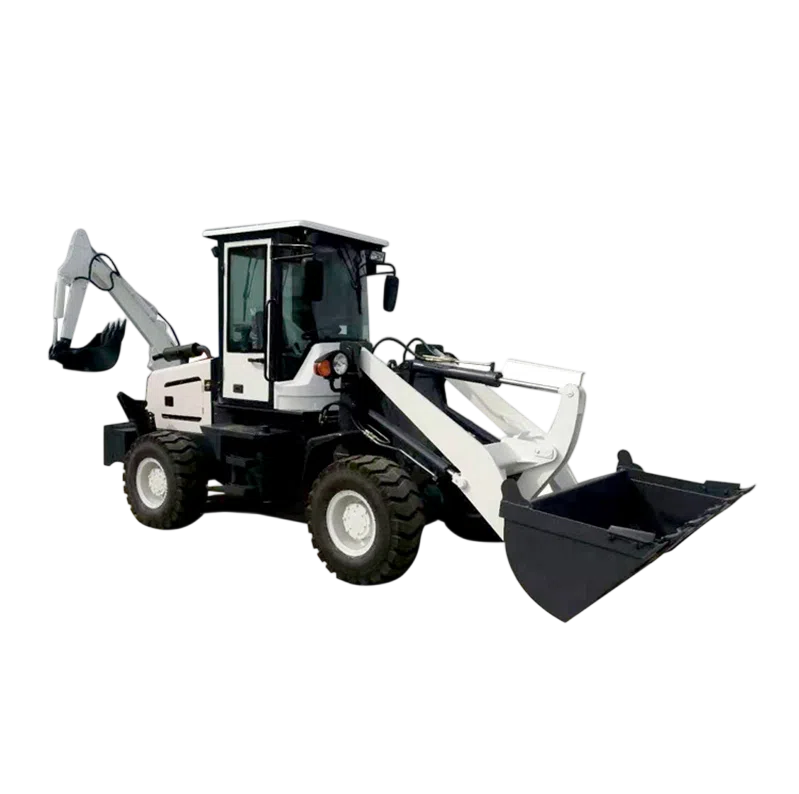
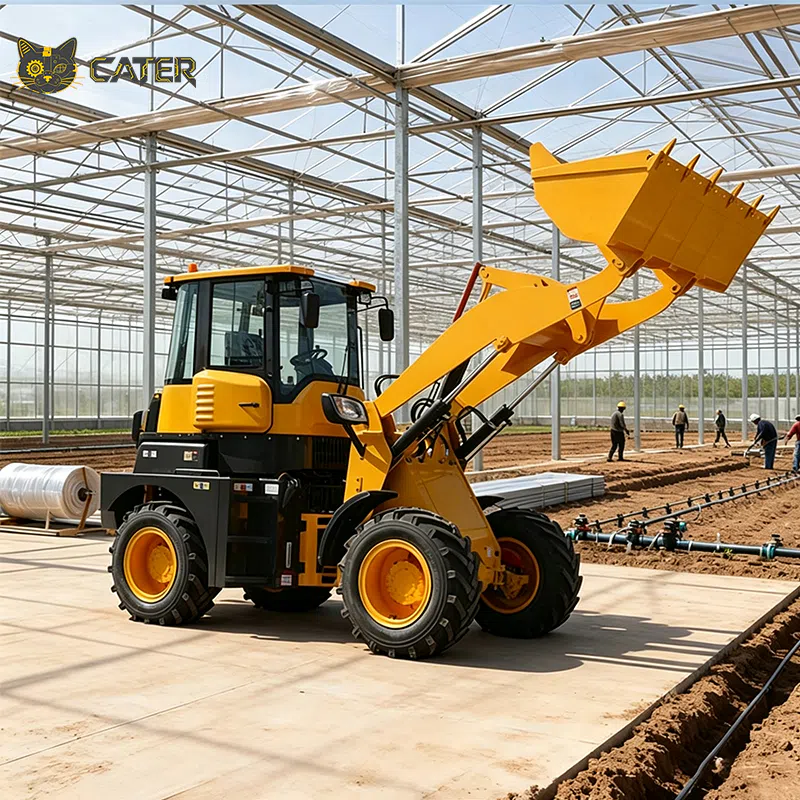
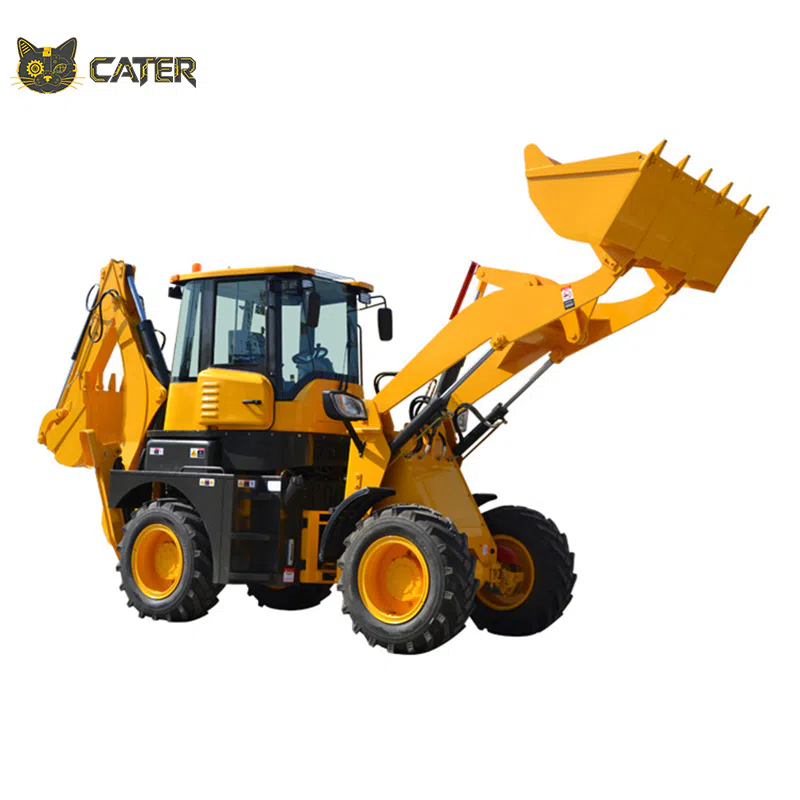
Buying a backhoe loader usually starts with a specification table, and the table rarely answers the question the buyer is actually asking. A machine is published with one set of figures, quoted with another once options are chosen, and delivered against a signed configuration that may differ from both. This article walks through the figures worth verifying — rated load, machine weight, bucket volume and dig depth — and the questions that turn a published page into an order you can check. The example used throughout is the CATER diesel wheel backhoe loader published on the supplier's own product page.
Why Four Numbers Do Not Describe One Machine
Machine weight, rated load, bucket volume and dig depth answer different questions. Machine weight affects transport arrangements, lifting equipment and ground bearing. Rated load is what the loader end is rated to carry under defined conditions. Front bucket volume is a capacity figure for moving material. Dig depth describes how far the rear digging equipment reaches below grade. Each is stated against its own reference condition, and none can be calculated from the others.
Misreading happens at exactly this point. A buyer reads a rated load, converts it mentally into a lifting capability, then compares that figure with machines in a different weight class. A 3.0 t rated load on a machine published at 9,000 kg and the same rating on a lighter machine describe different machines and different stability margins.
Rate the machine against your task, not against a rival brochure
Start from the job rather than from the number. If the machine will load trucks or move bulk material, front bucket volume and rated load guide the shortlist. If it will open trenches, dig depth and digger capacity guide it. If it will do both, check the two sets of figures separately, because a configuration that satisfies one task may be marginal for the other.
Reading a Published Specification Line by Line
Confirm what the weight figure includes
The page states machine weight, 9,000 kg. It does not state the basis on which that figure was measured or what it includes. Weight figures for machines of this type are reported differently by different suppliers and can be quoted at different points of build or readiness. That matters for a transport permit, a lifting plan or a floor loading assessment, because a document prepared on the wrong basis is a problem before the machine ever leaves. Ask the supplier to describe what the figure covers, and treat the answer as part of the specification you approve.
One page describes one configuration
A single page, however detailed, describes one build. It does not describe an entire model range, and it should not be read as a promise that every machine carrying that name has the same figures. If your order differs in bucket size, attachment fitment or engine option, the specification that applies is the one written into your order documents.
Check the model designation on the documents you sign
The product link and the specification table on a supplier page do not always carry identical designation strings. Where they differ, treat it as a naming question to be reconciled in writing rather than as evidence of a different machine: ask which designation will appear on the proforma invoice, the packing list and the machine nameplate. Until that is confirmed, it is safer to describe the unit by type — as a diesel wheel backhoe loader — than by a model name you have not verified.
What a Supplier Page Is, and What It Is Not
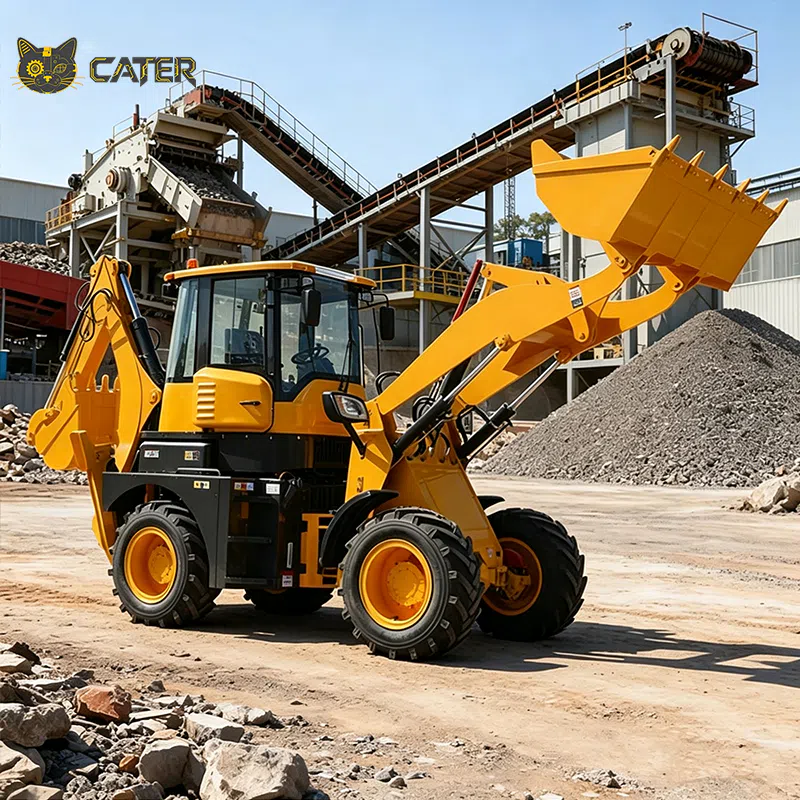
A product page is written to support enquiries. It explains what the supplier publishes about a machine and shows how it can be configured; it cannot replace the configuration and commercial terms that you and the supplier agree in a signed order. That does not make the page unhelpful — it makes it a starting point. The published figures tell you whether the machine is in the right class for your work. They do not tell you what your unit will weigh, which attachments will fit it, which documents will accompany it, or what it will cost delivered. Those answers belong in the quotation and the signed configuration sheet, and they are worth reading carefully before a deposit is paid.
Turning the Page into a Configuration-Specific Quotation
A quotation that can be checked is specific. Before comparing offers, ask each supplier to confirm in writing: the exact model designation and its revision; the engine make, model and the emissions variant the engine is supplied against; transmission and drive configuration; tyre size and type; hydraulic pump, valve and cylinder specification; the complete attachment list with mounting interfaces; paint colour and branding; packaging method; production and shipment lead time; warranty start date and coverage terms; payment terms; and the spare parts included with the first shipment. Ask as well which figures are guaranteed values and which are reference values, because guaranteed values become your acceptance criteria later, and matching configurations is the prerequisite for comparing prices at all.
For the machine used as the example here, the category page and the product page both give a starting view of what the line covers; neither of them substitutes for a quotation written around your order.
Attachment Compatibility Is a Purchasing Decision
Machines in this class are usually offered with a range of attachments — quick hitches, pallet forks, grapples, rippers, hydraulic breaking hammers and similar tools — and the set that comes with a given order depends on what is specified and what is confirmed for that particular build. An attachment appearing in a promotional list does not mean every machine accepts it in every configuration.
Hydraulic attachments depend on matching flow, pressure, return line capacity and mounting interface. A breaking hammer suited to one carrier may be unsuitable for another, and quick hitch systems differ in geometry between brands and generations. Before ordering, ask for written confirmation, item by item, that each attachment is compatible with the exact machine configuration on your quotation, and ask what hydraulic provisions are required to run it.
Acceptance Evidence Before the Machine Ships
Supplier pages commonly state that a machinery test report and a video outgoing inspection are available. Available means the supplier can provide them on request; it does not mean an inspection has already been carried out on your unit, and it does not define pass or fail limits.
Define acceptance in the purchase order instead. Agree the checks you want recorded: cold start, every hydraulic function through full stroke, travel and braking, steering, attachment cycling, instrument panel, leaks, paint and decal condition, model and serial plate, and hour meter reading. Ask for the video to show those checks on the specific unit with the nameplate visible. Where the order value justifies it, an inspection by your own representative or a third party turns a report from the seller into independent evidence.
After-Sales Documents and Parts Support
Warranty and documentation are easy to overlook at specification stage and expensive to resolve later. Supplier pages often list a warranty period in years; ask for a written warranty statement that sets out what is covered, what is excluded, how a claim is raised, who performs the work and how parts are supplied.
Request the documents you will need in service: an operator and maintenance manual in your working language, a parts catalogue, hydraulic and electrical schematics, engine service documentation and a named technical support contact. Confirm the wear parts and filters you will consume in the first year and how they are ordered, and confirm the paperwork that will travel with the machine — commercial invoice, packing list and the origin documents your import route requires.
Ask which conformity documents apply to your market
Market admission requirements differ from one destination to another, and a document accepted in one market is not automatically accepted in another. Rather than assuming a certificate will travel with a machine, establish what your own importer, registration authority or site requires, then ask the supplier which specific document applies, who issued it, what it covers and whether its scope includes the exact model and engine variant you are ordering. Where a claim is made in marketing text without a document behind it, treat the claim as unverified until the document itself is produced and checked. Do not assume that different admission schemes are interchangeable, and do not rely on a certificate issued for a different configuration.
Pre-Order Verification Checklist
Before the deposit is paid, confirm the following in writing: the exact model designation and its revision; the full specification set with units and the reference condition for each value; the basis of the weight figure; the engine make with its emissions variant and supporting documentation; the attachment list with per-item compatibility confirmation; the acceptance checks and the evidence that will be provided; the warranty statement and its exclusions; the parts and service documents supplied; delivery terms, packaging and lead time; and the documents that will accompany shipment for import and registration.
Frequently Asked Questions
Is rated load the same as lifting capacity?
No. Rated load is a defined working load for the loader end. Lifting capacity depends on the load's position, the counterweight and the stability of the machine configuration.
Can I treat the machine weight as the weight that will be shipped?
Not without confirmation. It is a supplier-published value and the basis of measurement is not stated. Ask the supplier to confirm what the figure includes before using it for transport planning.
Do the listed attachments come with the machine?
Attachment sets depend on what is specified and confirmed for each order. Availability, fitment and hydraulic requirements must be confirmed item by item for the configuration you order.
Which conformity documents will accompany the machine?
That depends on your market and your import route. Ask what your own authorities require, then ask the supplier which document applies, who issued it and whether its scope covers your exact model and engine variant.
Request a Configuration-Specific Quotation
Send us the type of work, the site conditions, the attachments you have in mind and the documents your market requires. We will go through them with you, confirm which points can be settled in writing and at which stage, and agree the configuration and terms on the order documents themselves — so that the specification you approve is the specification recorded. You can reach us through the contact page or by email at info@caterequipment.com.cn.