Product Overview
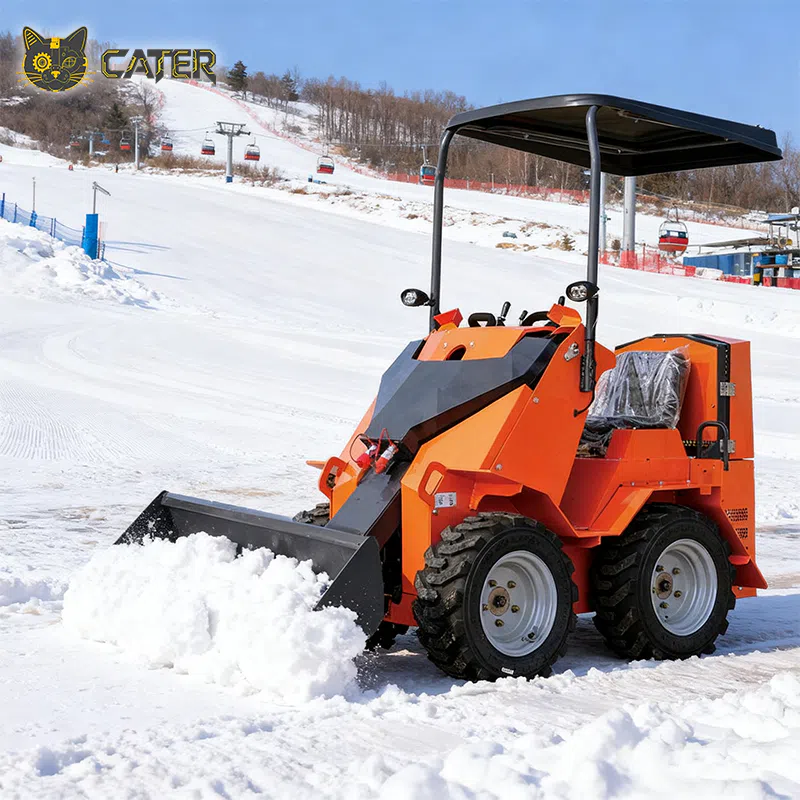
Our multifunctional mini skid steer loader is developed for small construction projects and multi-purpose working environments where equipment flexibility and space adaptability are important.
Many construction tasks do not require large machines but still need reliable equipment for material handling, site cleaning, loading, and auxiliary operations.
Traditional loaders often face limitations in narrow working areas, transportation costs, and single-function operation. We focus on solving these challenges through compact design, hydraulic working technology, and attachment adaptability.
Product Description
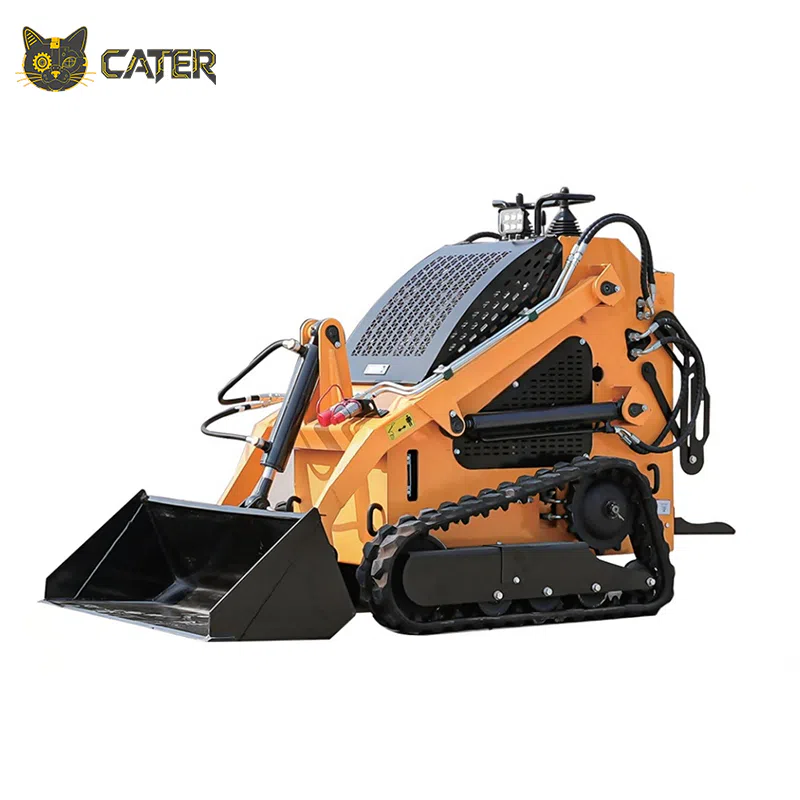
The multifunctional mini skid steer loader integrates loading capability, compact structure, and flexible attachment options into one machine platform.
During production, we optimize the machine frame layout, hydraulic system arrangement, and working component design to create equipment suitable for different small-scale construction environments.
The compact structure allows the loader to enter restricted areas such as residential construction sites, gardens, farms, warehouses, and maintenance areas. Compared with larger loaders, the smaller body reduces transportation requirements and improves job site flexibility.
The skid steer structure provides flexible steering performance. The machine can perform tight turning operations by controlling the movement difference between the left and right sides, which improves working efficiency in narrow spaces.
The hydraulic system supplies power for lifting, loading, and attachment functions. Hydraulic components are matched according to machine specifications to maintain stable operation during repeated working cycles.
The attachment interface supports different working tools according to application requirements. Instead of purchasing multiple single-purpose machines, users can expand working functions by changing attachments.
Product Advantages
1. Multi-Purpose Working Platform
The loader supports different attachments to complete various construction and maintenance tasks.
2. Compact Size Design
The small machine footprint improves accessibility in narrow working environments.
3. Flexible Skid Steering System
The steering structure allows tight turning operation and improves working efficiency.
4. Hydraulic Working System
The hydraulic system provides controlled power for loading, lifting, and attachment functions.
5. Reinforced Frame Structure
The frame and working components are manufactured for repeated construction applications.
6. Wide Application Range
Suitable for construction, agriculture, landscaping, maintenance, and rental markets.
Product Specification
| Power(W) | None | Moving Type | Wheel Loader |
| Type | Skid Steer Loader | Power Type | Diesel |
| Make | CATER | Engine Brand | Briggs &Stratton |
| Hydraulic Pump Brand | Famous Brand | Hydraulic Cylinder Brand | Famous Brand |
| Hydraulic Valve Brand | Famous Brand | UNIQUE SELLING POINT | EPA Engine |
| Warranty | 1Year | Machinery Test Report | Provided |
| Video outgoing-inspection | Provided | Color | Red or customized |
| Core Components | Motor,Engine,hydraulic pump | Brand Name | CATER |
| Bucket capacity | 0.12 | Place of Origin | China |
| Machine Weight | 890 kg | Dimension(Long*Breadth* High) | 2450*970*1900mm |
| Maximum Load(kg) | 300 | Maxmum Rising Power | 3.5kn |
| Maximum Operating Height | 2400 | Dumping Height | 1500 |
FAQ
Q1: What makes this mini skid steer loader multifunctional?
The machine supports different attachments, allowing users to perform loading, handling, cleaning, and maintenance operations with one equipment platform.
Q2: Where can this compact construction loader be used?
It can be used in construction sites, landscaping projects, farms, warehouses, municipal maintenance, and rental applications.
Q3: Can this loader replace large construction machines?
This machine is designed for small and medium working environments where compact size and flexibility are more important than large loading capacity.
Q4: How do attachments improve machine usage?
Attachments allow users to adjust the machine function according to different tasks, improving equipment utilization.
Q5: What quality control processes are used during production?
We control frame welding, hydraulic assembly, component matching, and complete machine testing before shipment.