A loader quotation is easier to compare when the project is defined before the equipment is scored. Contractors may receive several proposals describing engine power, working heights and hydraulic capability, yet still lack a clear answer to the commercial question: which configuration fits the work that needs to be completed? A useful comparison connects the proposed machine to the material, the work sequence, the receiving area and the standard the completed task must meet.
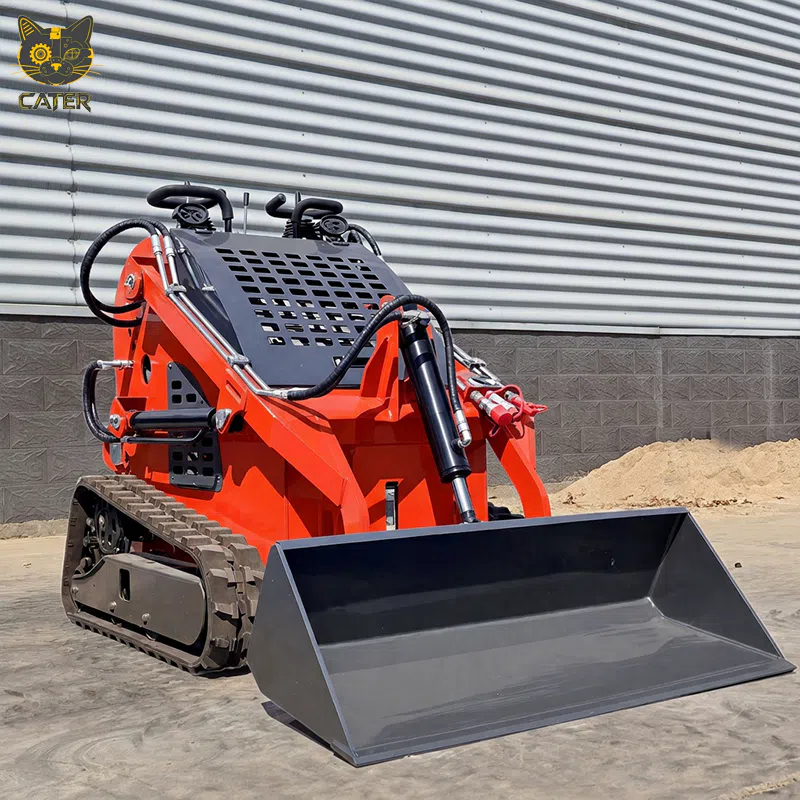
The tracked skid steer loader referenced here is listed with a 70 kW diesel power system, a fully hydraulic working system and a machine weight of 3530 kg. Those figures establish a starting point for discussion, not a productivity result. This article explains how to turn a construction or material-handling requirement into a project-based equipment brief without inventing cycle rates, payloads or savings that have not been demonstrated.
Describe the Result Before Describing the Machine
Start with the output the project requires. Moving loose material into a receiving vehicle is different from spreading material across a working area, even when both tasks use a bucket. The destination, available space and acceptance requirements change what a successful cycle looks like. A proposal should make those differences visible rather than summarise them as general construction work.
Describe the material as it will be encountered, including information the project already holds about condition and handling requirements. Identify whether material is arriving, being repositioned, leaving the site or awaiting assessment. If the material description is uncertain, record the uncertainty for resolution instead of treating every load as a standard bucket of soil.
Create Comparable Work Packages
A work package should state the start condition, intended operation and finish condition. For material transfer, the start might be material available in an approved stockpile and the finish might be a properly loaded receiving vehicle. For surface preparation, the finish might be a specified formation ready for a separate inspection. The loader should be evaluated against the work it is expected to do, not credited with work that belongs to another process.
Keep the package narrow enough that competing offers can answer the same questions. Identify the tool required, the travel area, the material destination and any dependency on another machine or crew. The briefing exercise does not need to prescribe every movement; it needs to remove ambiguity about what is included.
Keep incomplete information visible
The product page does not provide a rated operating capacity, bucket capacity or full external dimensions. Request those details for the proposed configuration before using them in a comparison. An empty field should remain an open question, not be filled with a value borrowed from a similar-looking machine.
Similarly, the listed 70 kW is an engine-power reference. It is not a statement of usable attachment power, hydraulic flow or permissible load. The 3530 kg machine weight is not payload or transport gross weight. These distinctions allow the procurement team to request the missing information without dismissing useful published data or overstating what it proves.
Observe the Cycle, Including the Waiting
Where a demonstration is appropriate, agree its scope with the supplier and the responsible site team. Competent operators should work within the documented limits of the supplied machine and attachment. A demonstration is not an invitation to test an undocumented lifting limit or to bypass safeguards in order to produce an impressive result.
Record the conditions that make the observation understandable: the configuration, the material, the route, the destination and any interruptions. Separate productive activity from waiting for a truck, waiting for permission to enter an area, or dealing with an unavailable stockpile. Otherwise a delay caused by the surrounding operation can be mistaken for a weakness in the machine.
Use the same definitions for each proposal. If one observation includes preparation and another starts after everything is arranged, their times describe different packages. Likewise, a machine finishing with unacceptable spillage or incomplete work should not be credited as completing the same task. Compare accepted work under documented conditions rather than the shortest isolated movement.
Check the Operation Around the Loader
The receiving operation can determine whether a machine's working capability is useful. Agreeing arrangements between the companies involved, keeping the loading area clear of unrelated traffic and people, and planning stable vehicle positions. It also addresses preventing a vehicle from departing before loading is complete.
For a project comparison, those points translate into questions about responsibility and readiness. Who makes the receiving position available? Who confirms the vehicle is ready? What happens if a delivery arrives before the area is released? A loader proposal that assumes uninterrupted access should not be compared uncritically with an actual site where access is shared.
The same source warns against overloading vehicles and emphasises load distribution. Evaluate the receiving vehicle's requirements separately from the loader's limits. A machine's ability to reach over a sideboard does not establish either a permissible bucket load or the remaining capacity of the vehicle being loaded.
Distinguish Machine Fit From Route Fit
A tracked chassis is relevant to the equipment discussion, but it does not replace information about the route.
Record the access limits that could exclude a configuration before spending time comparing performance. These may concern the complete machine with its attachment, the working area around it or a route also used by larger vehicles. Obtain the necessary dimensions from a configuration drawing instead of estimating them from the word compact.
Where routes change during the project, compare how each proposal would be deployed across the actual phases. This is not a reason to assume one machine will serve every stage. A defined role on selected phases can be a more useful proposal than a broad promise that lacks supporting dimensions, ratings or access arrangements.
Turn Observations Into a Decision Record
After an evaluation, organise findings into demonstrated capability, confirmed documentation and unresolved questions. This separates what was observed from what a supplier has stated and from what still needs evidence. A photograph can document the displayed configuration, but it cannot establish an unseen hydraulic specification or a repeatable production rate.
For each unresolved item, identify why it matters to the intended task. Missing width data may prevent an access decision. Missing capacity information prevents a load assessment. Unclear attachment requirements prevent agreement on the complete package. Treating these as specific questions gives the supplier a practical route to answer them.
The decision record should also preserve limitations of the observation. A short demonstration under favourable conditions does not establish long-term reliability or performance in every material. If the result is being used for a later project phase with different conditions, state what would need checking again instead of treating the initial observation as universal approval.
Compare the Complete Commercial Scope
Purchase price is one part of a proposal, but comparable pricing requires comparable scope. Ask each supplier to identify the base machine, the included working tool, any additional equipment needed for the stated task and the documentation supplied. Separate included items from optional items and identify which are necessary for the proposed work package.
Discuss the arrangements that affect the project after the machine is selected: delivery configuration, operator familiarisation, parts support and the process for technical questions. The product page lists a warranty period and mentions a machinery test report and outgoing inspection video. Ask for the applicable terms and the records linked to the offered configuration; this article does not claim those records have been reviewed.
Do not insert a hypothetical fuel cost, service interval or residual value simply to complete a return-on-investment table. If commercial inputs are missing, mark them as missing. A cost comparison becomes more useful when assumptions are visible and can be replaced by quotations or operating records, rather than concealed behind a precise-looking total.
Include Safe Use in the Acceptance Criteria
Checking that safeguards are complete, obtaining information on residual risks and ensuring users have appropriate instruction and training. It also covers cleaning, clearing blockages and maintenance, including isolation before relevant interventions. These considerations belong in a task-based comparison because the work continues beyond a successful demonstration.
Ask how the proposed operation will be supported without removing guards or introducing improvised access to moving components. Identify which instructions the operator needs and who is responsible for supervision. Do not treat a sales demonstration as proof that an unfamiliar operator is qualified for every task the machine may later encounter.
Local requirements and the site's competent plan govern how this is implemented. The purpose of the comparison is to choose a manageable equipment package with known responsibilities, not to turn an editorial article into an operating procedure or a compliance certificate.
Use a Shortlist That Explains Its Own Result
A useful shortlist states the proposed role of each configuration and the evidence supporting it. It should show which work packages fit, which require additional information and which are outside the proposal. This is clearer than a ranking that combines unrelated specifications without explaining why a higher number matters to the project.
Keep the final recommendation tied to the agreed task. If a configuration is selected for repeated material transfer, do not quietly extend the recommendation to specialised cutting, demolition or lifting operations. A new task may require a different tool, documentation or assessment. The comparison remains useful when its boundaries are retained rather than forgotten after an order is placed.
Frequently Asked Questions
Does a higher engine-power figure establish higher productivity?
No. Productivity depends on the complete task, equipment configuration, material, route and receiving operation. Engine power is one specification; accepted work under recorded conditions is the relevant basis for a task comparison.
Can a quick demonstration establish the rated load?
No. Use the documented machine and attachment ratings for the supplied configuration. A demonstration should remain within those limits and should not be used to discover an unknown limit by trial.
Should waiting time be removed from a comparison?
Record it separately and explain its cause. Waiting may reveal a site constraint rather than a machine limitation, but it still matters when planning the complete project operation.
What should a supplier receive before preparing a task-based offer?
Provide the material description, required outcome, intended attachment, access and working-space limits, receiving arrangement and the information needed for acceptance. Include unresolved questions rather than assuming the supplier knows the site.
Discuss the Work Package With Us
For a tracked skid steer loader enquiry, share the project task before asking for a general specification comparison. Send the intended material movement, site constraints, required documentation and evaluation questions to info@caterequipment.com.cn. The aim is a clearly defined equipment proposal that can be assessed against your work, with confirmed information distinguished from items still awaiting clarification.