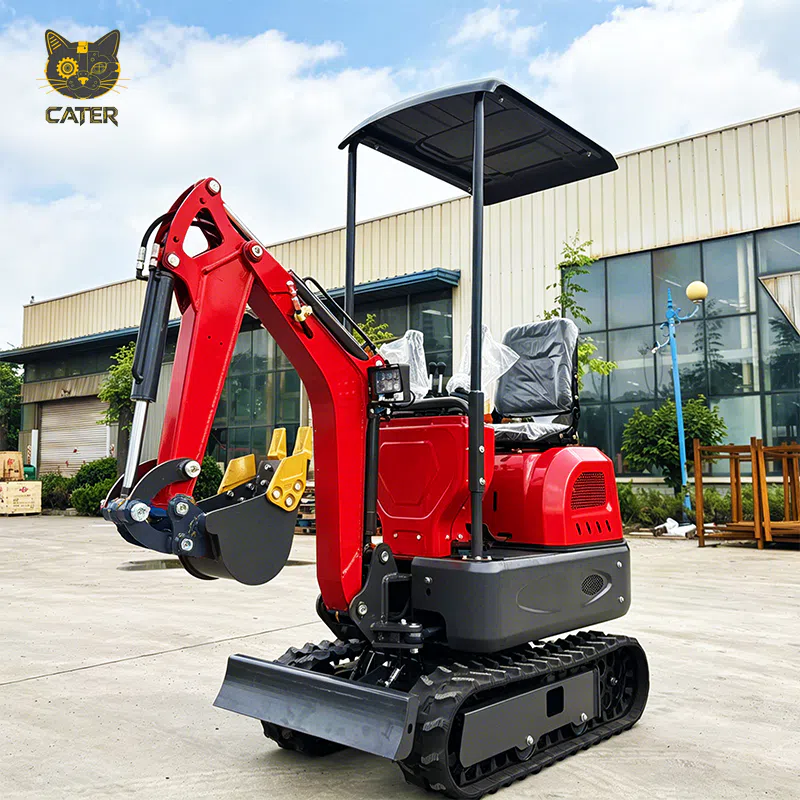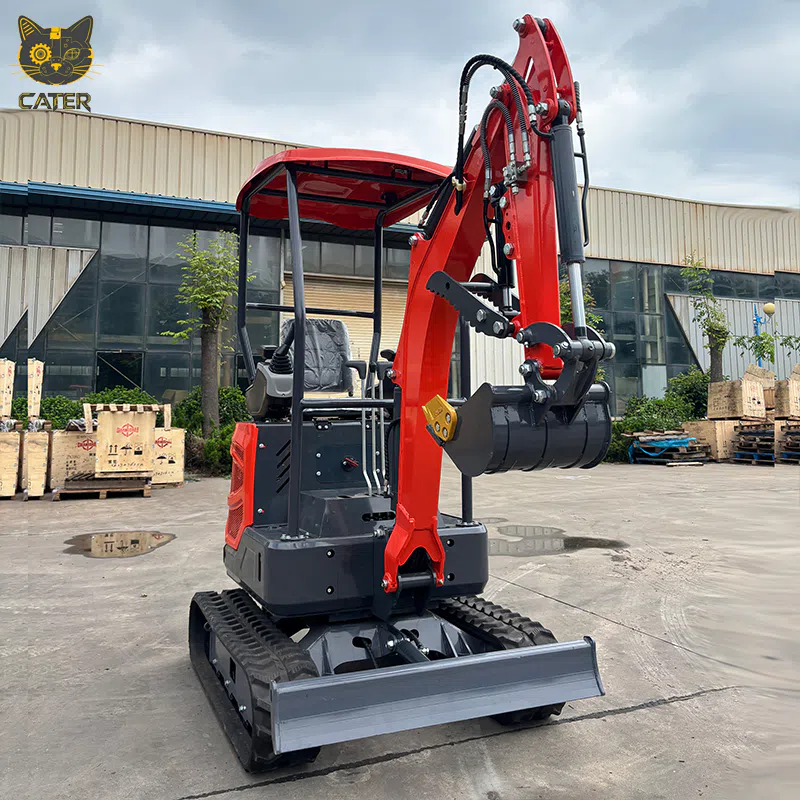

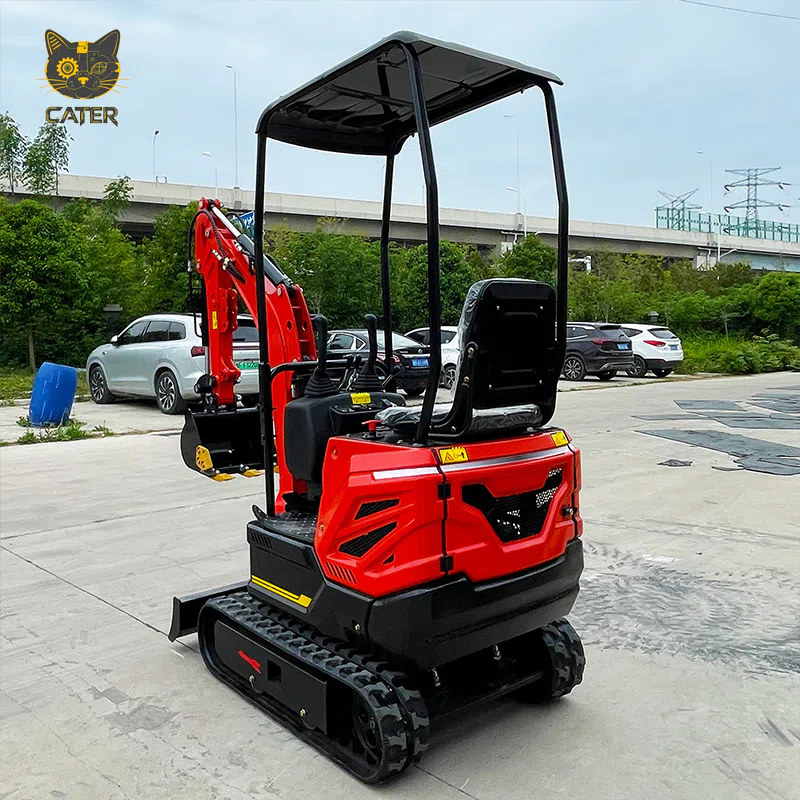
Taking delivery of a compact excavator is more than matching a machine to an invoice. The receiving team also needs to know which configuration arrived, which instructions apply, what condition was recorded and who will resolve an unanswered question. For an importer or contractor, those details connect the purchase to the first working assignment. A machine that has arrived physically is not necessarily ready to be assigned to an operator.
The CATER 1.3-ton rubber-track mini excavator provides a useful reference for that discussion. Its published specification describes a compact machine for construction and maintenance work, but a product page and a delivery record serve different purposes. This article sets out a practical handover process around configuration, documentation and maintenance responsibilities. It does not claim that a particular unit has passed an inspection, and it does not replace the supplied operating manual or a site-specific work plan.
Begin With the Configuration That Was Ordered
Before delivery, assemble the agreed specification, order documents and list of included items. The CATER product reference lists an operating weight of 1300 kg and overall dimensions of 2200 × 950 × 2200 mm. These are useful identifying references, not a substitute for the dimensions and weight of the consignment being received.
In particular, operating weight is not automatically shipping gross weight. Packaging, accessories and the condition in which the machine is shipped need to be identified separately. The same page lists packaging dimensions that differ from the operating dimensions; that difference does not establish which components are removed or folded. Request a packing drawing and unloading information rather than deriving an unloading method from website measurements.
Agree who will receive the machine and which documents that person needs before arrival. Any unloading operation requires suitable equipment, a planned receiving area and competent people following the relevant instructions. The purpose of the handover record is to support that preparation, not to provide improvised ramp angles, lifting points or tie-down instructions.
Give the Delivered Unit Its Own Record
Record the identification visible on the delivered machine and reconcile it with the invoice, packing list and agreed configuration. Use the identifiers actually provided; do not assign a model or engine variant solely because the machine resembles a photograph. If a discrepancy appears, record it precisely and ask for clarification before relying on the disputed detail.
The record should distinguish the base machine from separately packed buckets, tools, spare parts and documents. An item described as optional on a website should not be marked as included unless the order confirms it. Conversely, an included item should not disappear from the checklist merely because it is packed separately from the excavator.
Photographs can establish a receiving-condition baseline when they are labelled with the unit and date. Include views that help identify the machine and relevant condition observations without claiming that photographs prove internal performance. A useful entry states what was seen, where it was seen and what action followed. It should not turn an uncertain observation into a diagnosis.
Put the Correct Manual Ahead of Familiar Habits
For the delivered excavator, establish which manual applies to its configuration and whether the operator can understand it. A general brochure cannot answer all the questions that arise during starting, shutdown, inspection or service. Keep the applicable instructions available to the people who will use them, rather than only in a purchasing email archive.
Separate instruction from a demonstration
An introduction by a supplier or trained representative can help explain the controls and identify where instructions are found. It does not automatically certify operator competence or replace any training required for the intended work. Record what the introduction covered and which questions remained open.
Where functional checks form part of acceptance, agree their scope and acceptance criteria with the supplier in advance. They should be carried out by competent people in a suitable area according to the supplied instructions. Do not invent a load test or use an unplanned excavation as a way to discover the machine's limits.
Identify Engine and Service Requirements Without Guessing
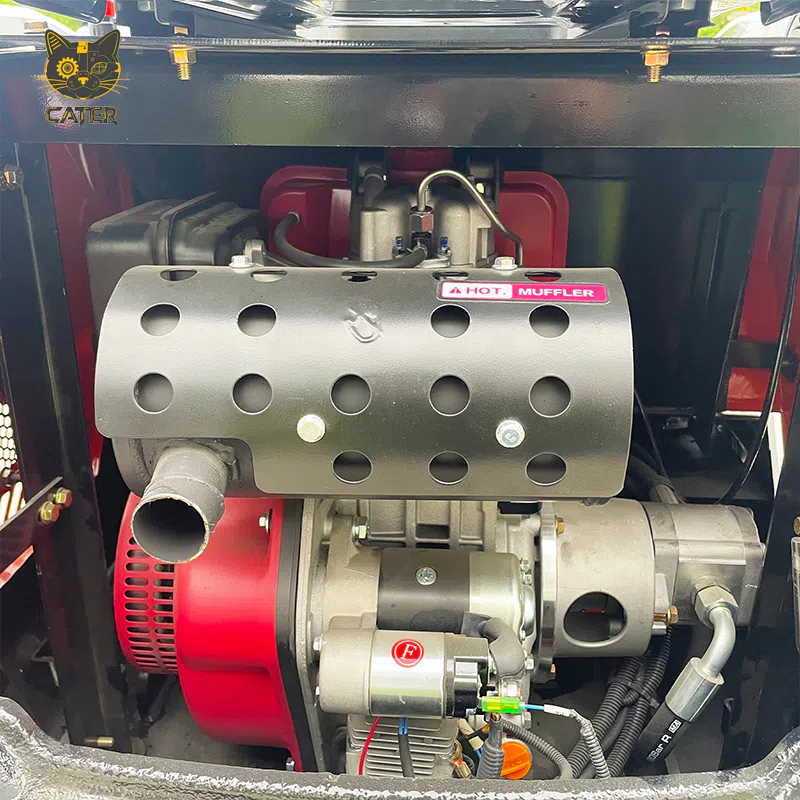
The product page lists Runtong 420 as the standard engine designation and 8.6 kW as engine power. At handover, reconcile the delivered engine identification with the order and the applicable engine documentation. Those web-page fields alone do not establish fuel requirements, emissions approval, cooling arrangement or the service consumables appropriate to the delivered unit.
Ask for the specified fluids, filters and service intervals for that configuration. Record the part references or approved equivalents provided by the supplier rather than selecting consumables by visual similarity. A component photograph is useful for orientation, but it is not proof that a replacement part fits or that a maintenance procedure is safe.
The engine-compartment image accompanying this article shows a muffler heat shield. It is not an instruction to remove that shield or reach into the compartment during operation. Service access, isolation and cooling precautions belong in the instructions for the actual machine. Any unclear procedure should be resolved before work begins, not improvised at the first service.
Make the First Maintenance Plan Specific
The same 2019 maintenance article highlights that filters can have different service intervals and that unnecessary removal can introduce contamination. That is a reason to obtain the correct schedule, not to copy another brand's intervals or assume that every filter is changed together.
For a contractor, a maintenance plan should name the responsible person, the record used to trigger work and the person authorised to release the machine afterward. If an operating-hour reading is used, identify where it is obtained and how it is recorded. Do not assume the excavator includes remote reporting or automatic reminders unless those features are documented for the supplied configuration.
Separate an inspection finding from completed maintenance. A note that a hose needs attention is not evidence that it has been replaced. Similarly, a planned service date does not show that the specified fluids or parts were used. Record the action, the parts or consumables involved, and any further limitation before the machine returns to work.
Include Tracks and Attachments in the Baseline
At receipt, document relevant visible track condition and any issue referred to the supplier. During subsequent use, follow the applicable inspection and adjustment instructions. Do not use a generic internet tension value, and do not infer that a track is correctly adjusted because it looks similar to a website image.
The source also recommends checking ground-engaging components such as cutting edges, teeth, pins and hoses for wear or damage. For the delivered package, identify which components are actually fitted and which inspection requirements apply. Ask how approved replacement parts are identified, and keep the answer with the machine record so the maintenance team does not have to reconstruct it later.
Keep Equipment Acceptance Separate From Site Readiness
Even a complete machine handover does not authorise every proposed digging task. Before assigning the excavator to drainage or utility work, the site team needs its own information about access, ground conditions, services and the planned excavation. These are project questions, separate from whether the machine arrived in the agreed condition.
The UK HSE's excavation and underground-services guidance, updated April 20, 2026, explains the importance of planning, locating and identifying services, and safe excavation. It warns that plans only indicate service locations and that trained people should use suitable locating equipment. This is UK guidance; the applicable local requirements and competent site plan determine the arrangements elsewhere.
The distinction is useful for the person releasing a machine to a project. A maintenance record confirms what has been checked or serviced on the excavator. It does not confirm the location of a buried cable or the stability of an excavation. Assign those responsibilities explicitly so an equipment approval is not mistaken for permission to start an unplanned dig.
Close Open Items With a Named Owner
A handover can identify questions that do not have an immediate answer. Record each open item, the person responsible for resolving it and whether it prevents acceptance or use for the intended assignment. For safety-relevant uncertainty, keep the affected operation on hold until the responsible competent person and supplier have resolved it through the appropriate process.
This approach is more useful than a checklist containing only ticks. A clear record explains why an item is open and what evidence would close it: an applicable manual, a corrected configuration description, a missing accessory or a documented repair. Acceptance decisions should follow the agreed contract and inspection process rather than assumptions made from a generic form.
For after-sales support, confirm the contact route and the information needed to report a problem. Machine identification, photographs and a clear description can help organise the enquiry, but they should not be presented as a substitute for diagnosis. Keep the resulting instructions and actions attached to the same unit record.
Frequently Asked Questions
Is operating weight enough to arrange unloading?
No. Obtain the consignment's actual weight, packing configuration and unloading instructions. A published operating weight does not establish shipping gross weight, lifting points or the suitability of an unloading arrangement.
Can the website engine name determine the required fuel and service parts?
Not by itself. Reconcile the delivered engine identification with the order and obtain its applicable instructions and parts references. Do not infer those details from a general product image or a power figure.
Can another excavator's maintenance schedule be reused?
It can suggest questions, but it is not the governing schedule. Fluid requirements, filter intervals, inspection procedures and track settings should come from the documentation for the delivered configuration.
Does a completed delivery inspection make the machine ready for any site?
No. Equipment acceptance and site readiness are separate. The project still needs appropriate access, ground and service information, an operating plan and competent people responsible for the work.
Request a Documented Handover Package
When discussing a CATER 1.3-ton rubber-track mini excavator, include the handover information your business needs alongside the equipment configuration. Send your intended applications, receiving arrangements, documentation language and maintenance-support questions to info@caterequipment.com.cn. A useful quotation discussion connects the machine being supplied with the records, instructions and responsibilities required to put that unit into service.